

The Fool-Proof 500 Rule Prime Rib is a game-changer for anyone intimidated by cooking this magnificent cut of meat. I remember my first attempt at prime rib—standing in my kitchen, palms sweating, convinced I’d ruin a $100 cut of beef. That’s when my aunt shared her foolproof “500 Rule” method with me, and I’ve never looked back. This technique delivers a perfectly pink, juicy interior with a deliciously seasoned crust every single time. The beauty lies in its simplicity: high heat followed by residual cooking, letting the meat reach perfection while you relax. No more meat thermometer anxiety or constant oven checking!

Table of Contents
Recipe
Print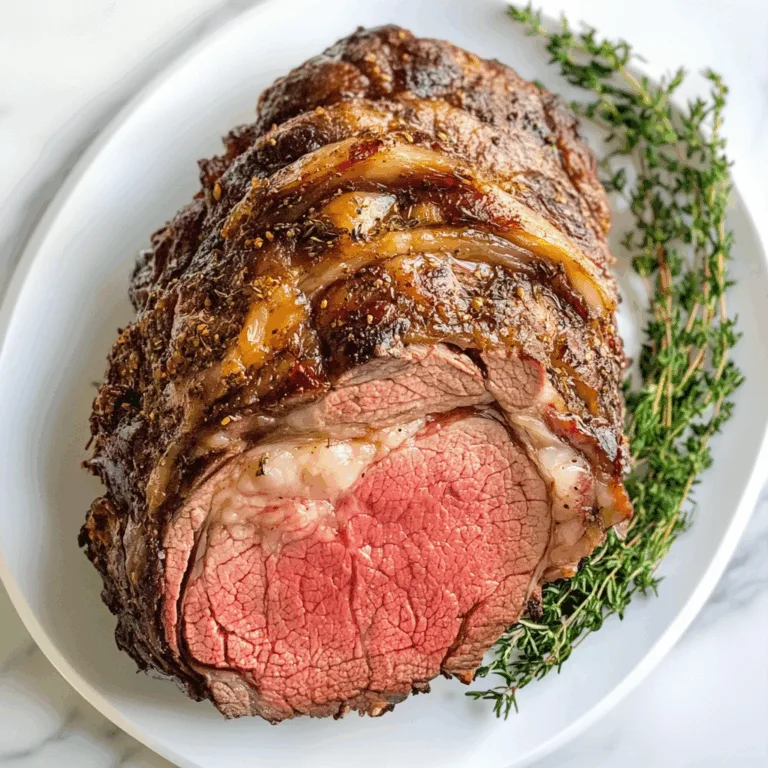
Fool-Proof 500 Degree Rule Prime Rib Recipe for Perfect Roast Every Time
This fool-proof 500 degree rule prime rib recipe gives you a perfectly juicy, crusty-on-the-outside, melt-in-your-mouth roast every time with minimal effort.
- Total Time: 2 hours 40 minutes
- Yield: 6 servings
Ingredients
1 bone-in prime rib roast (5–7 lbs)
2 tbsp kosher salt
1 tbsp freshly ground black pepper
2 tsp garlic powder
2 tsp onion powder
2 tbsp olive oil
Optional: fresh rosemary or thyme for garnish
Instructions
1. Let the prime rib sit at room temperature for 2 hours before cooking.
2. Preheat your oven to 500°F.
3. Rub roast with olive oil, then season evenly with salt, pepper, garlic powder, and onion powder.
4. Place roast bone-side down in a roasting pan or cast-iron skillet.
5. Roast uncovered at 500°F for 5 minutes per pound (example: 5 lb roast = 25 minutes).
6. Turn off the oven but **do not** open the door. Let the roast sit in the oven for 2 hours.
7. Carefully remove roast, slice, and serve immediately.
Notes
Do not open the oven door during the resting period, or you’ll lose heat.
Use a meat thermometer if you prefer extra precision (target 130°F for medium rare).
This method works best with a roast that’s between 5 and 7 pounds.
- Prep Time: 10 minutes
- Cook Time: 2 hours 30 minutes
- Category: Dinner
- Method: Roasting
- Cuisine: American
Why You’ll Love This Fool-Proof 500 Rule Prime Rib
Stress-Free Perfection Every Time
The 500 Rule eliminates the guesswork from cooking prime rib. You simply multiply your roast’s weight by 5 to determine cooking time in minutes, preheat your oven to 500°F, roast for the calculated time, then turn off the oven and let it work its magic. I love how this method transforms a potentially stressful cooking experience into a relaxed one. The first time I used it for a dinner party, I actually enjoyed a glass of wine with my guests instead of hovering by the oven! The consistent results make this perfect for special occasions when you can’t afford any mishaps.
Ideal Doneness Without the Guesswork
What makes this method truly magical is how it creates the perfect temperature gradient. You’ll get a beautiful medium-rare center (around 130-135°F) with slightly more done meat toward the edges, pleasing everyone at your table. The high initial heat creates a flavorful crust while sealing in juices. Then, the gentle residual cooking ensures the meat cooks evenly without drying out. I’ve found this method works beautifully on roasts between 4-10 pounds, adapting perfectly to the size you need for your gathering.
Essential Tips & Tricks
Perfect Preparation Matters
Start with a room temperature roast for best results—I typically leave mine out for 2-3 hours before cooking. This ensures even cooking throughout. Season generously with kosher salt and freshly cracked black pepper at minimum, allowing the natural flavors of this premium cut to shine. For an elevated experience, create a paste with minced garlic, fresh herbs (rosemary and thyme are my favorites), and olive oil to coat the exterior. I like to make a simple au jus with the drippings for serving—it’s simple but makes all the difference!
Crucial Timing Considerations
The 500 Rule is precise, but your oven’s quirks matter too. If your oven runs hot, reduce the temperature to 475°F. The most critical rule: do NOT open the oven door during the rest period! This is where I made my rookie mistake years ago—peeking costs you precious heat. Calculate your timing before guests arrive: for a 5-pound roast, that’s 25 minutes at high heat, followed by 2 hours of closed-door resting. Plan backward from your desired serving time. Remember that a digital oven thermometer can help ensure your oven is actually reaching the correct temperature.
Serving Ideas & Creative Variations
Classic Accompaniments with a Twist
Prime rib deserves worthy companions. I serve mine with horseradish cream sauce (mix prepared horseradish with sour cream, a splash of lemon juice, and a pinch of salt) and Yorkshire puddings that I make in the same pan to capture those flavorful drippings. For sides, roasted garlic mashed potatoes and green beans almondine provide perfect balance. My personal touch is adding a red wine reduction that I simmer with shallots and fresh thyme while the roast rests—it elevates the entire experience and makes the meal feel restaurant-worthy.
Seasonal Adaptations Worth Trying
Change your seasoning profile to match the season. In winter, I love a coffee-peppercorn crust that creates a deep, rich exterior. For spring gatherings, try a bright herb crust with lemon zest, parsley, and mint. Summer calls for a bold garlic-rosemary approach, while fall begs for warming spices like thyme and sage. The 500 Rule works beautifully regardless of your seasoning choices. I’ve even experimented with a smoked salt crust that mimics the flavor of cooking over fire—perfect for when it’s too cold to grill but you crave that smoky essence.
Storage & Troubleshooting Guide
Making the Most of Leftovers
Prime rib leftovers are culinary gold! Store them properly in airtight containers for up to 4 days in the refrigerator. For best reheating results, slice the meat thinly, then warm gently in beef broth over low heat just until heated through—this prevents drying. My favorite leftover transformation is prime rib sandwiches on crusty bread with caramelized onions and horseradish aioli. For something unexpected, dice leftover prime rib for breakfast hash with potatoes and top with a runny egg—it’s become our traditional post-holiday breakfast that we look forward to almost as much as the original meal!
Solving Common Problems
If your prime rib turns out too rare, you can return individual slices to a hot skillet for a quick sear—much better than returning the whole roast to the oven. For roasts that come out too done, thin slicing and serving with extra au jus helps maintain moisture. If you accidentally open the oven door during resting, immediately close it and add 30 minutes to your rest time. Remember that carryover cooking continues after you remove the roast from the oven, so let it rest 15-20 minutes before carving to allow juices to redistribute and prevent them from running out onto your cutting board.
Frequently Asked Questions
What exactly is the 500 Rule for prime rib?
The Fool-Proof 500 Rule Prime Rib method involves multiplying your roast’s weight by 5 to get cooking minutes, roasting at 500°F for that time, then turning off the oven and letting it rest inside for 2 hours without opening the door.
Can I use this method for smaller or larger roasts?
Yes! The formula works for most sizes, but for roasts over 10 pounds, reduce the temperature to 475°F. For very small roasts (under 3 pounds), consider reducing the rest time to 1.5 hours.
What if my oven has a cooling fan that activates automatically?
If your oven has a forced cooling system, this method may not work perfectly. Try using the lowest fan setting or consider a traditional roasting method with a meat thermometer instead.
Do I need to use a roasting rack?
A rack is recommended as it allows heat circulation around the entire roast. If you don’t have one, you can create a makeshift rack using celery stalks or thick onion slices.
Can I prepare the roast the day before cooking?
Absolutely! Season your roast up to 24 hours ahead and refrigerate uncovered. This creates a dry exterior that helps develop a beautiful crust during cooking. Just remember to bring it to room temperature before roasting.
Final Thoughts
The Fool-Proof 500 Rule Prime Rib has transformed my holiday and special occasion cooking from stressful to joyful. There’s something magical about the simplicity of this method—it honors the quality of the meat while removing the anxiety from the process. I love watching my guests’ faces light up when I bring this masterpiece to the table, knowing I didn’t have to fuss over it constantly. Whether you’re a novice cook intimidated by expensive cuts or an experienced chef looking for a reliable technique, this method delivers consistent, impressive results. Try it once, and I promise it will become your go-to approach for perfect prime rib every time. Check out more of my favorite recipes at Pinterest.