

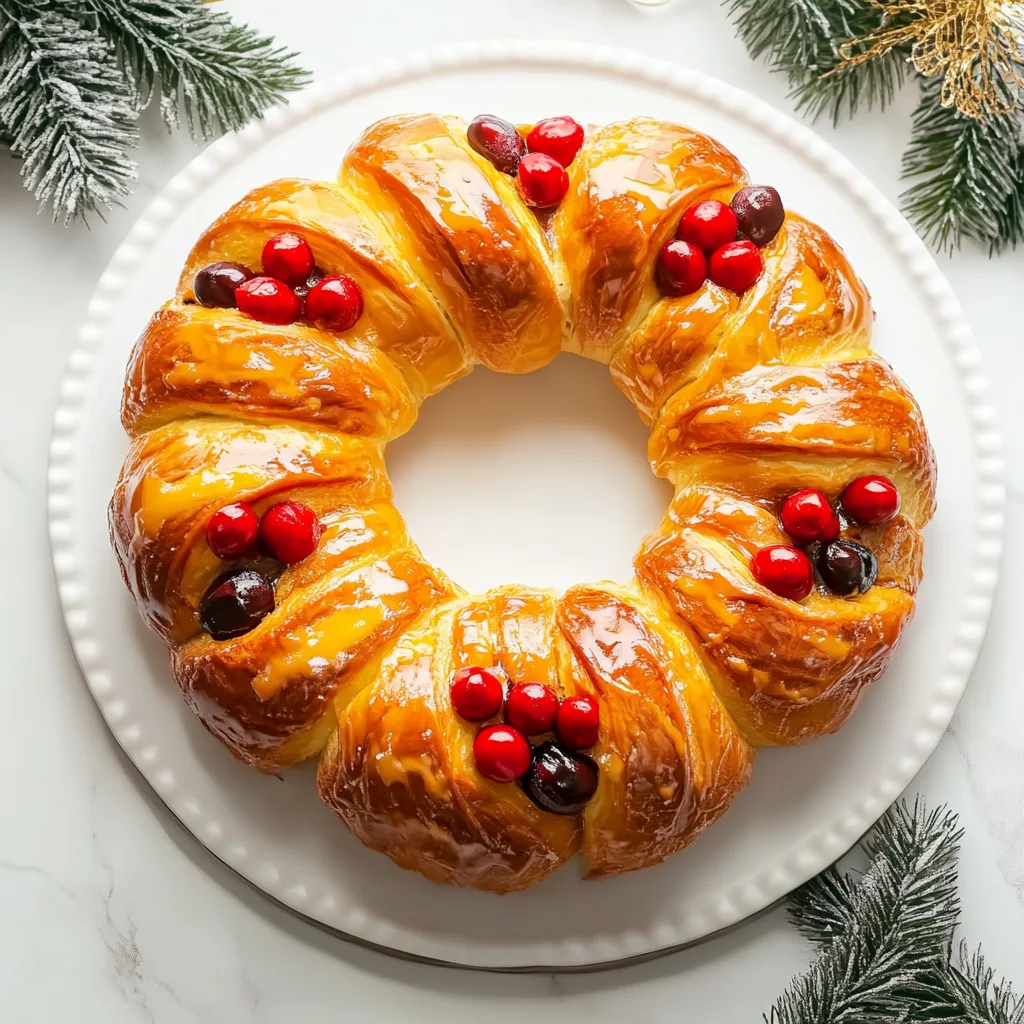
Rosca de Reyes, that glorious ring-shaped bread that graces tables during Epiphany celebrations, has captured my heart with its rich history and delightful flavors. The first time I baked this festive bread, my kitchen filled with the warm aroma of orange zest and cinnamon that instantly transported me to childhood celebrations. This traditional Mexican and Spanish sweet bread isn’t just delicious—it’s a meaningful centerpiece that brings families together each January to celebrate the arrival of the Three Kings. Let me share my favorite recipe that’s become a cherished tradition in my home.
Table of Contents
Recipe
Print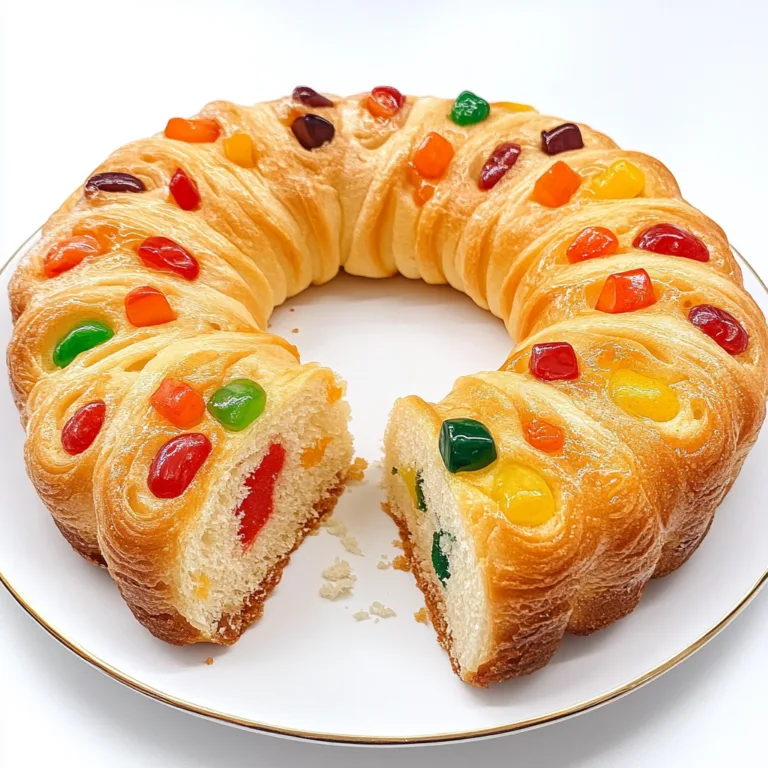
Rosca de Reyes: Traditional Mexican Three Kings Bread Recipe & History
Rosca de Reyes is a traditional Mexican sweet bread shaped like a crown and decorated with candied fruits. Often baked with a hidden baby figurine, it’s a beloved treat for Día de Reyes on January 6th.
- Total Time: 2 hours 50 minutes
- Yield: 10–12 servings
Ingredients
**For the Dough**
4 cups all-purpose flour
1/2 cup sugar
1 packet (2 1/4 tsp) active dry yeast
1/2 tsp salt
1/2 cup warm milk
3 large eggs
1/2 cup unsalted butter, softened
1 tbsp orange zest
1 tsp vanilla extract
**For Decoration**
1/4 cup candied figs or dried fruit strips
1/4 cup chopped candied orange peel
1/4 cup maraschino cherries
1/4 cup granulated sugar
1 plastic baby figurine (optional)
Instructions
1. In a large bowl, whisk flour, sugar, yeast, and salt.
2. Add warm milk, eggs, butter, orange zest, and vanilla. Mix until a soft dough forms.
3. Knead for 8–10 minutes until smooth and elastic. Cover and let rise for 1.5–2 hours.
4. Punch down dough and shape into an oval ring on a parchment-lined baking sheet.
5. Tuck the baby figurine into the dough from underneath, if using.
6. Decorate top with candied fruits and sprinkle with sugar.
7. Cover and let rise again for 30–45 minutes.
8. Bake at 350°F (175°C) for 25–30 minutes until golden brown.
9. Cool slightly before slicing. Enjoy warm or at room temperature.
Notes
Tradition says whoever finds the baby must host a tamale party on Feb 2nd (Día de la Candelaria).
For added shine, brush the dough with egg wash before baking.
Pairs beautifully with hot chocolate or café de olla.
- Prep Time: 20 minutes (+2 hours rise time)
- Cook Time: 30 minutes
- Category: Dessert, Holiday, Bread
- Method: Baking
- Cuisine: Mexican, Latin American
- Diet: Vegetarian
Why You’ll Love This Rosca de Reyes
A Delicious Tradition with Meaning
This isn’t just any sweet bread—it’s a cultural treasure with symbolism in every bite. The oval shape represents a crown, honoring the Three Wise Men, while the colorful candied fruits symbolize the jewels that adorned their royal attire. Hidden inside is a small figurine representing baby Jesus, and whoever finds it in their slice hosts the next gathering! I love how this bread creates not just a delicious moment but a meaningful connection to tradition. The slightly sweet, pillowy texture paired with the aromatic orange and subtle anise flavors makes it irresistible even beyond the holiday.
Perfect Balance of Flavors and Textures
What makes this Rosca de Reyes special is its perfect balance of flavors—not too sweet but definitely indulgent. The bread itself has a brioche-like texture that’s tender and light with a golden, slightly crisp exterior. The contrast between the soft bread and the chewy candied fruits creates a delightful textural experience. I’ve perfected the orange zest and anise seed proportions to create a subtle but distinctive flavor that’s instantly recognizable. The traditional sugar topping adds just the right amount of sweetness and crunch that makes each bite memorable.
Essential Tips & Tricks
Mastering the Dough
The key to a perfect Rosca de Reyes lies in the dough development. Don’t rush this process—proper kneading develops the gluten structure that gives your bread that perfect chewy-yet-tender texture. I like to use my stand mixer for about 8 minutes until the dough passes the window pane test (when you can stretch a small piece thin enough to see light through without tearing). Allow for proper proofing time—the dough should double in size during both rises. If your kitchen is cool, create a warm environment by placing the dough near a preheating oven or in an oven with just the light on.
Decorating Like a Pro
The traditional decoration is what makes a Rosca de Reyes truly special. Arrange candied fruits (like figs, cherries, and citron) in a pattern that resembles jewels on a crown. Press them gently into the dough before baking so they stay in place but don’t sink completely. For the sugar topping, apply the egg wash carefully with a pastry brush, then sprinkle sugar strips in alternating patterns. Don’t forget to insert the plastic baby figurine from the bottom after baking—never before, as it will melt in the oven!
Serving Ideas & Creative Variations
Traditional Pairings
Rosca de Reyes is traditionally enjoyed with hot chocolate, specifically Mexican-style chocolate with cinnamon and a frothy top. This combination creates a warming, comforting experience perfect for January celebrations. I love serving my rosca slightly warm with a side of whipped butter that melts just enough to seep into the bread’s tender crumb. For a more substantial gathering, pair it with savory breakfast dishes like this hearty Italian Penicillin Soup for a beautiful contrast to the sweet bread.
Modern Twists on Tradition
While I respect tradition, I also enjoy creating innovative variations that honor the original while adding new dimensions. Try filling your rosca with cream cheese or almond paste for a delightful surprise inside. For a modern twist, incorporate chocolate chips into the dough or drizzle a simple glaze flavored with orange liqueur over the finished bread. You can also experiment with different spice combinations—cardamom and vanilla make a lovely alternative to the traditional anise. These variations keep the spirit of the rosca while adding your personal touch.
Storage & Troubleshooting Guide
Keeping Your Rosca Fresh
To maintain the freshness of your Rosca de Reyes, store it properly as soon as it cools completely. Wrap it tightly in plastic wrap or place it in an airtight container at room temperature for up to 2 days. For longer storage, freeze individual portions wrapped in plastic and then foil—they’ll keep for up to a month. To revive a day-old rosca, simply warm it in a 300°F oven for about 5 minutes or give it a quick 10-second zap in the microwave. This brings back that fresh-baked texture and enhances the aromatic flavors.
Fixing Common Problems
If your dough isn’t rising properly, check your yeast—it might be expired. The room temperature also matters; yeast thrives between 75-85°F. If your kitchen is cooler, create a warm environment as mentioned earlier. For a rosca that’s too dense, you likely need more kneading time or a longer rise. If the top browns too quickly during baking, loosely cover it with foil. And if your decorations keep falling off, make sure you’re pressing them firmly into the egg-washed dough before baking to create a better seal.
Frequently Asked Questions
What is the significance of Rosca de Reyes?
Rosca de Reyes celebrates Epiphany (January 6th), marking the Three Kings’ visit to baby Jesus. The hidden figurine represents Jesus hiding from King Herod, and finding it means you’ll host the Candlemas celebration on February 2nd.
Can I make Rosca de Reyes ahead of time?
Yes! Prepare the dough through the first rise, then refrigerate overnight. Let it come to room temperature before shaping, second rise, and baking.
What’s a good substitute for candied fruit?
Dried fruits like cranberries, apricots, or cherries make excellent substitutes. You can also use colorful citrus zest or even nuts for decoration.
Is it necessary to include the hidden figurine?
While traditional, it’s optional. If serving to children, use a whole almond instead of a plastic figurine as a safer alternative.
How do I know when my Rosca de Reyes is perfectly baked?
The bread should be golden brown with an internal temperature of 190°F. When tapped on the bottom, it should sound hollow.
Final Thoughts
Creating a beautiful Rosca de Reyes is more than just baking—it’s participating in a centuries-old tradition that brings people together. I find something deeply satisfying about placing this golden crown on my table and watching loved ones gather around it, eager to discover who gets the hidden surprise. Whether you’re celebrating Three Kings Day or simply want to experience this delicious bread, I hope these tips help you create a memorable Rosca de Reyes that becomes part of your own tradition. Don’t forget to share your creations on Pinterest!