

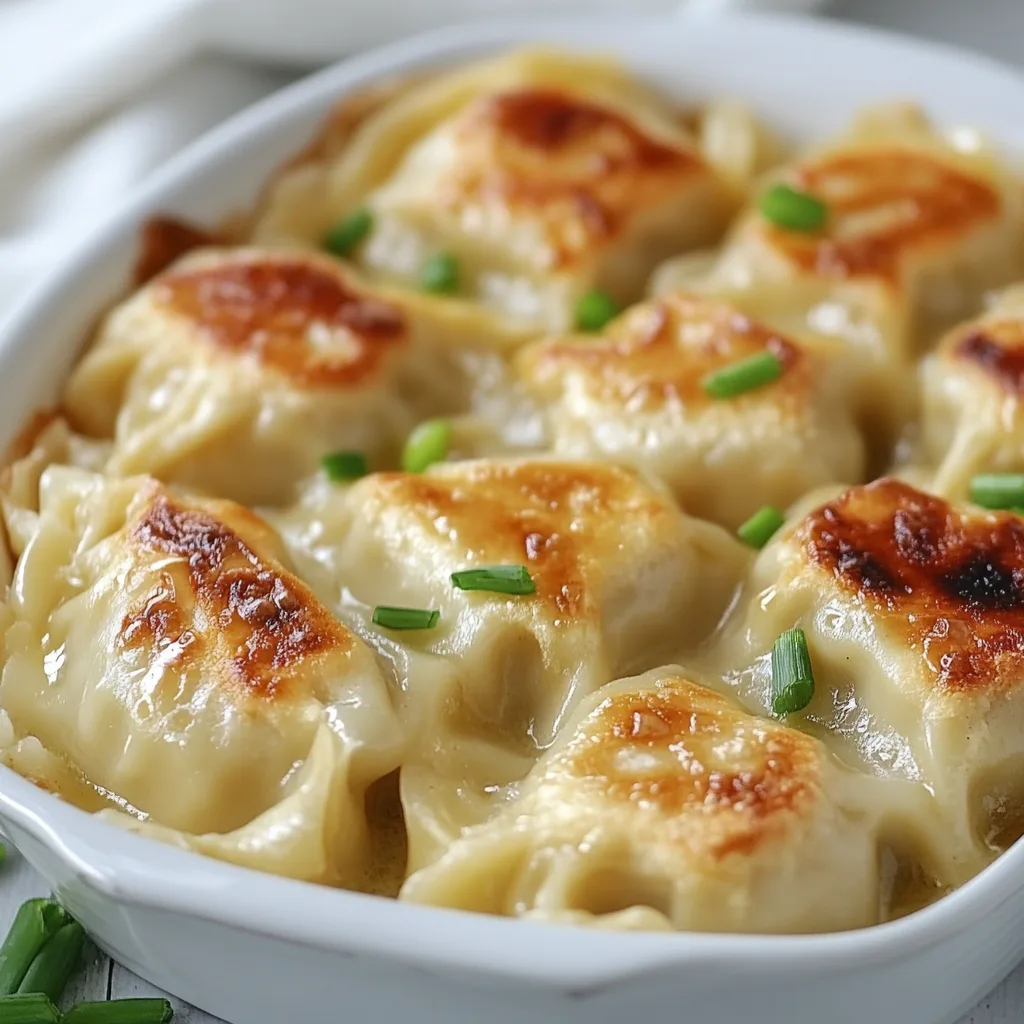
This Dumpling Bake transforms simple ingredients into a cozy, cloud-like comfort food that wraps you in warmth with every bite. I discovered this recipe on a rainy Sunday when nothing but something pillowy and golden would do. The way the dumplings puff up and create that perfect crispy-yet-tender top layer while swimming in savory broth beneath? Pure magic. It’s become my go-to when friends drop by unexpectedly or when I need a dinner that feels like a hug. Let me show you how this humble dish became my family’s most requested comfort meal.
Recipe
Print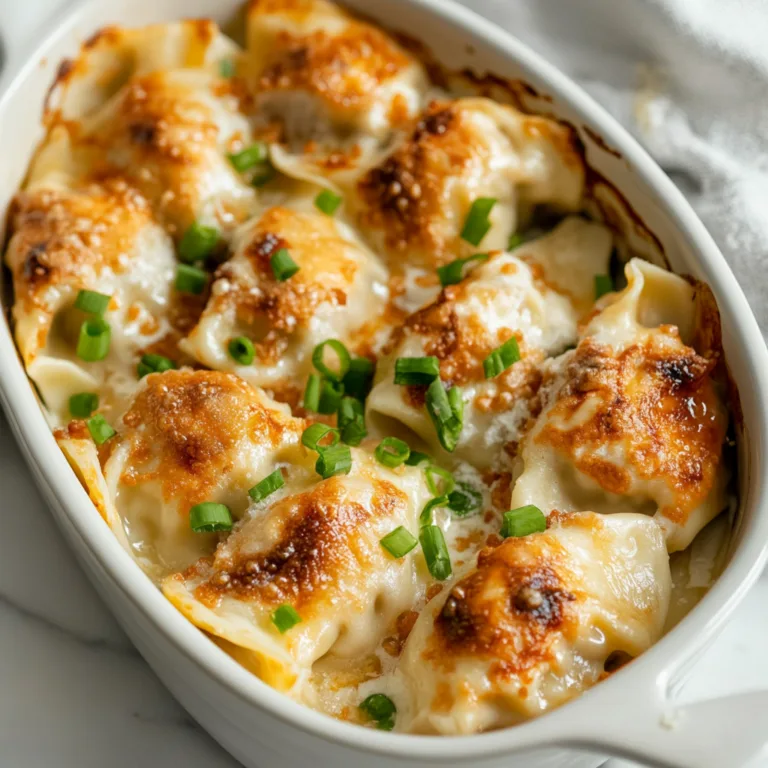
Delicious Dumpling Bake Recipe | Easy & Comforting Homemade Dumplings
Delicious Dumpling Bake is an easy, comforting homemade dinner that turns tender dumplings into a cozy baked casserole. Nestled in a creamy, savory sauce and baked until bubbly, this dish is simple, hearty, and perfect for busy nights when you want maximum comfort with minimal effort.
- Total Time: 55 minutes
- Yield: 4 servings
Ingredients
1 package frozen dumplings or potstickers
1 tbsp olive oil
1 small onion, diced
2 cloves garlic, minced
1 cup chicken or vegetable broth
1 cup heavy cream
1 tsp soy sauce
1/2 tsp black pepper
1/2 tsp paprika
1/2 cup shredded mozzarella or cheddar cheese
Fresh parsley or green onions, chopped (optional)
Instructions
1. Preheat oven to 190°C (375°F).
2. Lightly grease a baking dish.
3. Arrange frozen dumplings evenly in the dish.
4. In a bowl, whisk broth, cream, soy sauce, black pepper, and paprika.
5. Pour sauce evenly over the dumplings.
6. Cover with foil and bake for 30 minutes.
7. Remove foil and sprinkle cheese over the top.
8. Bake uncovered for 10–15 minutes until bubbly and lightly golden.
9. Garnish with herbs if desired and serve hot.
Notes
• Use chicken, pork, or vegetable dumplings.
• Add mushrooms or spinach for extra veggies.
• Sauce thickens as it rests.
- Prep Time: 10 minutes
- Cook Time: 45 minutes
- Category: Main Dish, Casserole
- Method: Baked
- Cuisine: Asian-Inspired
Why You’ll Love This Dumpling Bake
A One-Pot Wonder
There’s something deeply satisfying about creating a complete meal in a single dish. This Dumpling Bake delivers that satisfaction in spades. The rich, savory base develops complex flavors as it simmers, while the dumplings cook right on top, absorbing all that goodness. I love how the kitchen fills with that homey aroma that draws everyone in like a magnet. The best part? Cleanup is minimal—just one pot to wash! When life gets hectic (and when doesn’t it?), this recipe saves my sanity while still delivering that made-with-love taste that makes everyone think I spent hours in the kitchen.
Perfect for Any Season
While many consider dumplings a cold-weather staple, I’ve found this Dumpling Bake to be wonderfully adaptable year-round. In winter, I lean into hearty root vegetables and herbs like thyme and rosemary. Come summer, I lighten it up with fresh peas, asparagus, and a touch of lemon zest in the dumplings. The versatility means it never feels repetitive. Last July, during an unseasonably cool evening, I made this with fresh corn and garden herbs, and my neighbor asked for the recipe three times! The dumplings themselves maintain that perfect balance—substantial enough to satisfy but never heavy.
Essential Tips & Tricks
Mastering the Dumpling Texture
The secret to cloud-like dumplings lies in how you handle the batter. The golden rule is minimal mixing—just until the ingredients come together. Overmixing develops gluten and leads to tough, dense dumplings instead of the pillowy puffs we’re after. I learned this the hard way! Temperature matters too; cold butter creates those beautiful pockets of steam as the dumplings cook. My trick? I grate frozen butter directly into the dry ingredients. And remember, when adding the dumplings to your simmering base, leave space between them—they’ll expand dramatically as they cook, nearly doubling in size like a good bread pudding.
Creating the Perfect Base
The foundation of an exceptional Dumpling Bake is a flavorful, well-seasoned base. Start by properly browning your proteins and vegetables—this develops those complex flavors that make the difference between good and unforgettable. Don’t rush this step! Those browned bits on the bottom of the pan (fond) are flavor gold. Deglaze with a splash of wine or broth, scraping up all those bits. For the liquid component, homemade stock elevates everything, but a good-quality store-bought option works wonderfully too. I always add a splash of cream at the end for richness, but coconut milk makes a delicious dairy-free alternative that adds subtle sweetness.
Serving Ideas & Creative Variations
Family-Style Presentations
There’s something magically communal about bringing a bubbling Dumpling Bake straight to the table. I serve mine in the same cast-iron skillet it cooked in, placing it on a wooden board with a trivet underneath. The rustic presentation always elicits oohs and aahs! For a complete meal, pair with a simple green salad dressed with a bright vinaigrette to balance the richness. A basket of crusty bread for sopping up the last bits of sauce is non-negotiable in my house. For special occasions, I’ve served individual portions in mini cocottes—the presentation is stunning, similar to my Chicken Pot Pie in a Mug but with a more elegant twist.
Global Flavor Inspirations
While traditional dumplings have European roots, this dish adapts beautifully to global flavor profiles. For an Asian-inspired version, infuse the base with ginger, garlic, and star anise, then add a touch of soy sauce and sesame oil. The dumplings can be enhanced with scallions and a hint of five-spice powder. A Mediterranean twist might include olives, capers, and sun-dried tomatoes in the base, with feta and oregano in the dumplings. My family’s favorite variation includes curry powder, coconut milk, and cilantro—reminiscent of a deconstructed samosa. The versatility of this dish makes it perfect for exploring flavors from around the world without straying from its comforting essence.
Storage & Troubleshooting Guide
Proper Storage Techniques
Dumpling Bake leftovers require thoughtful storage to maintain their texture and flavor. The ideal method is to separate the dumplings from the base if possible. Store them in separate airtight containers in the refrigerator for up to 3 days. This prevents the dumplings from absorbing too much liquid and turning soggy. If you’re planning to freeze portions, the same principle applies—separate components whenever possible. When freezing the entire dish together, slightly undercook the dumplings initially, as they’ll soften during reheating. I label everything with contents and date using masking tape and a marker—a simple habit that’s saved me from many “mystery container” situations!
Fixing Common Issues
Even experienced cooks occasionally encounter dumpling dilemmas. If your dumplings turn out dense, the likely culprit is overmixing or too much liquid in the batter. Next time, use a lighter touch and add liquid gradually until just combined. For dumplings that fall apart, the mixture might be too wet or the liquid too vigorous—ensure a gentle simmer, not a rolling boil. If the base is too thin, mix a tablespoon of cornstarch with cold water to create a slurry, then stir it in and simmer for a few minutes. Too thick? Add small amounts of broth until you reach the desired consistency. Remember that the dumplings will absorb some liquid as they cook.
Frequently Asked Questions
Can I make this Dumpling Bake ahead of time?
Yes! Prepare the base a day ahead and refrigerate. When ready to serve, reheat the base to a simmer, then add fresh dumpling batter and cook as directed. This actually enhances the flavor of the base.
Are there gluten-free options for the dumplings?
Absolutely. Substitute a quality gluten-free flour blend with xanthan gum. Add an extra egg to help with binding, and expect a slightly different but equally delicious texture.
How do I know when the dumplings are fully cooked?
Insert a toothpick into the center of a dumpling—it should come out clean. The tops should be dry and slightly golden, and the dumplings should feel light and springy when touched.
Can I use biscuit dough for a shortcut version of this Dumpling Bake?
Yes! Store-bought biscuit dough works wonderfully. Cut each biscuit into quarters and drop them onto the simmering base for a quick weeknight version.
What’s the secret to preventing soggy dumplings in my Dumpling Bake?
Maintain a gentle simmer, not a boil. Keep the lid tightly closed during cooking—no peeking! The steam creates that perfect texture, and opening the lid releases it.
Final Thoughts
This Dumpling Bake has become more than just a recipe in my kitchen—it’s a tradition, a problem-solver, and often, a conversation starter. There’s something about those pillowy dumplings bobbing in savory broth that speaks a universal language of comfort. I hope you’ll make this dish your own, adapting it to your family’s tastes and creating your own memories around it. And don’t forget to share your creations on Pinterest so others can be inspired by your Dumpling Bake variations! The beauty of this dish lies in its forgiving nature and endless adaptability—exactly what makes cooking such a joy.