

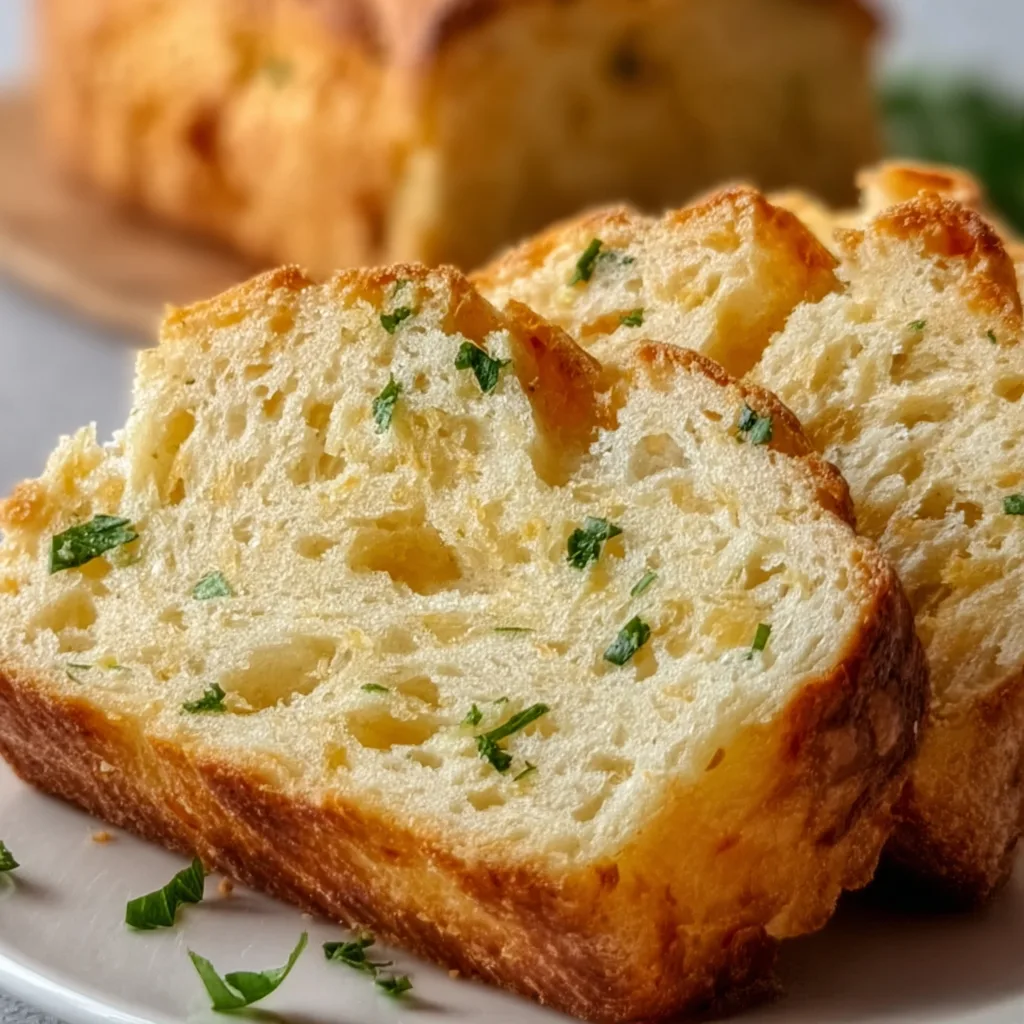
Irish Potato Bread has been my comfort food sanctuary since I discovered it during my rainy semester abroad in Dublin. There’s something magical about the way the crisp exterior gives way to that pillowy, slightly dense interior that makes it perfect for sopping up stew or simply enjoying with a generous smear of salted butter. This traditional Irish staple combines the humble potato with flour, creating a texture that’s unlike any other bread you’ve tried. Let me show you how to bring this cozy classic into your kitchen – I promise it’ll become a regular in your bread rotation!
Recipe
Print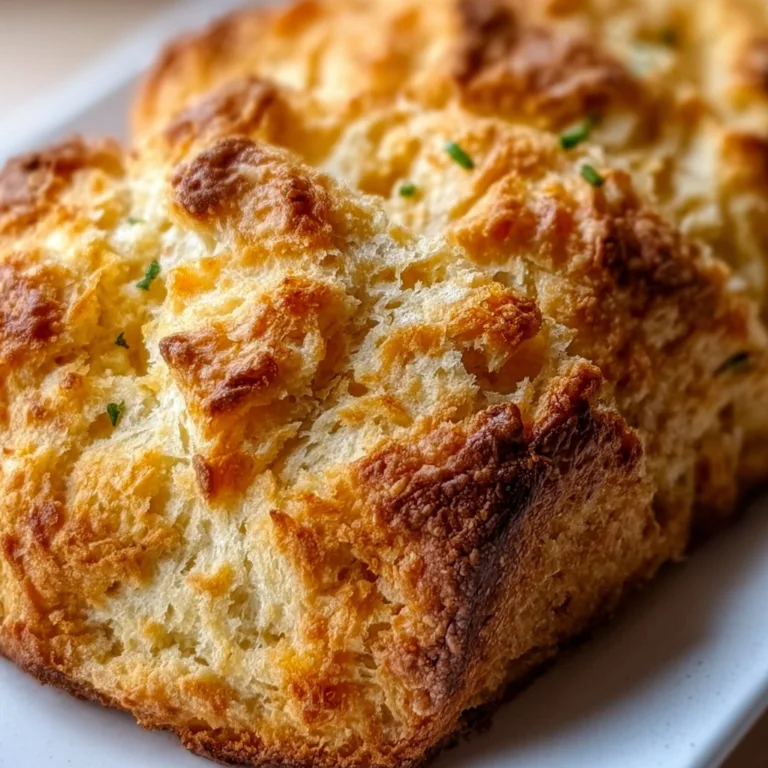
Traditional Irish Potato Bread Recipe
Traditional Irish Potato Bread, also known as potato farls, is a soft and comforting Irish classic made with mashed potatoes, flour, butter, and salt. Pan-cooked until golden, these authentic farls are perfect for a full Irish breakfast.
- Total Time: 18 minutes
- Yield: 4 farls
Ingredients
2 cups mashed potatoes (cooled, no added milk)
1 cup all-purpose flour, plus extra for dusting
2 tablespoons unsalted butter, melted
1/2 teaspoon salt
1/4 teaspoon black pepper (optional)
Instructions
1. Place mashed potatoes in a large bowl.
2. Add melted butter, salt, and black pepper if using.
3. Gradually mix in flour until a soft dough forms.
4. Turn dough onto a lightly floured surface.
5. Gently knead just until smooth, avoiding overworking.
6. Roll dough into a round about 1/2-inch thick.
7. Cut the round into four equal wedges (farls).
8. Heat a non-stick skillet or griddle over medium heat.
9. Cook farls for 3–4 minutes per side until golden brown.
10. Serve warm with butter as part of a traditional Irish breakfast.
Notes
Use leftover mashed potatoes without added cream for best texture.
Do not over-knead to keep farls tender.
Farls can be frozen and reheated in a skillet.
Traditionally served with eggs, bacon, and sausage.
- Prep Time: 10 minutes
- Cook Time: 8 minutes
- Category: Breakfast
- Method: Stovetop
- Cuisine: Irish
- Diet: Vegetarian
Why You’ll Love This Irish Potato Bread
A Perfect Balance of Texture and Flavor
The magical combination of mashed potatoes and flour creates a bread with an incredibly unique texture – slightly dense yet tender, with a satisfying chew that’s completely different from yeast-based breads. I’m absolutely smitten with how the crispy, golden exterior gives way to a soft center that practically melts in your mouth. The subtle potato flavor provides the perfect backdrop for both sweet and savory toppings, making it incredibly versatile. My Irish grandmother always said the secret was in how you mash the potatoes – leave a few small lumps for texture that’ll make each bite interesting.
Quick and Economical Comfort Food
Unlike traditional bread that requires proofing and patience, Irish Potato Bread comes together in minutes rather than hours. It’s the perfect solution when you’re craving homemade bread without the wait! The ingredients are likely already in your pantry – potatoes, flour, butter, and salt – making it an economical option during tight weeks. I’ve made this countless times when my grocery budget was stretched thin, and it always feels like a warm hug on a plate. There’s something deeply satisfying about transforming humble ingredients into something so delicious.
Essential Tips & Tricks
Mastering the Potato Preparation
The foundation of exceptional Irish Potato Bread lies in properly preparing your potatoes. I’ve found that floury potatoes like Russets or Idaho work best because of their high starch content. Cook them until they’re just fork-tender – overcooked potatoes absorb too much water and will make your dough sticky and unmanageable. Allow them to steam dry for about 5 minutes before mashing to remove excess moisture. For the ultimate texture, mash while still warm but not hot, leaving a few small chunks for character. This approach creates that authentic texture that reminds me of the bread I enjoyed at that tiny café in Galway.
Handling the Dough with Care
The key to perfect Irish Potato Bread is in how you handle the dough. Mix the ingredients until just combined – overmixing develops gluten and results in a tough bread. The dough should feel soft but not sticky; if it’s too wet, gradually add more flour a tablespoon at a time. When patting out the dough, aim for about ½-inch thickness for the perfect balance of crisp exterior and tender interior. I learned from my mistakes that a hot, heavy skillet creates the best golden crust – cast iron is ideal! For a delicious variation, try adding herbs like in this Sourdough Discard Cinnamon Quick Bread for a flavor twist.
Serving Ideas & Creative Variations
Traditional and Modern Pairings
Irish Potato Bread shines brightest alongside hearty dishes like stews, soups, or a traditional Irish breakfast. The bread’s subtle flavor and sturdy texture make it perfect for sopping up rich gravies or runny egg yolks. For a simple yet satisfying snack, I love it straight from the pan with just a smear of salted Irish butter melting into all the nooks and crannies. On weekends, I serve it alongside my Garlic Butter Steak with Parmesan Cream Sauce for an indulgent meal that always impresses guests. The contrast between the crisp bread and creamy sauce creates a perfect balance that’ll have everyone reaching for seconds.
Creative Twists on the Classic Recipe
While traditional Irish Potato Bread is delicious in its simplicity, there’s plenty of room for creative variations. Try folding in caramelized onions and sharp cheddar for a savory version that pairs beautifully with soup. For a breakfast twist, add a tablespoon of sugar to the dough and serve with jam and clotted cream. My personal favorite variation includes fresh herbs – chives, rosemary, or thyme – which infuse the bread with aromatic flavors. For special occasions, I’ll even add crispy bacon bits and green onions, creating a loaded potato bread that disappears within minutes at family gatherings.
Storage & Troubleshooting Guide
Keeping Your Bread Fresh
Irish Potato Bread is best enjoyed fresh and warm, but proper storage can extend its life. Once completely cooled, wrap it tightly in a clean kitchen towel, then place it in an airtight container at room temperature for up to 2 days. For longer storage, wrap individual portions in plastic wrap and freeze for up to 3 months. To reheat, simply toast slices or warm whole pieces in a 300°F oven for about 10 minutes. I’ve found that a quick minute in a hot skillet with a tiny pat of butter works wonders to revive day-old bread, bringing back that crispy exterior and soft interior that makes it so irresistible.
Fixing Common Potato Bread Problems
If your bread turns out too dense, you likely used too much flour or overworked the dough. Remember that the dough should feel soft and pliable, not stiff. For bread that’s falling apart, the mixture was probably too wet – next time, let your potatoes steam dry longer or add flour gradually until the dough holds together. If your bread isn’t browning properly, your pan likely isn’t hot enough – the sizzle test (a drop of water should dance on the surface) ensures your pan is ready. And if the outside burns before the inside cooks, your heat is too high – medium-low provides the gentle cooking needed for even results.
Frequently Asked Questions
Can I use leftover mashed potatoes for Irish Potato Bread?
Yes! Just ensure they’re not too wet or heavily seasoned. If they contain butter and milk already, reduce these ingredients in your recipe accordingly.
Is Irish Potato Bread the same as potato farls?
They’re similar! Traditional Irish Potato Bread is typically round, while potato farls are cut into triangular quarters, but the base recipe is essentially the same.
Can I make Irish Potato Bread gluten-free?
Absolutely. Substitute the all-purpose flour with a good quality gluten-free flour blend that contains xanthan gum for structure.
Why is my Irish Potato Bread dough too sticky?
Your potatoes likely retained too much moisture. Add flour gradually while kneading until the dough feels soft but not sticky.
How thick should I roll out the Irish Potato Bread dough?
Aim for about ½-inch thickness for traditional texture – thick enough to have a soft interior but thin enough to cook through properly.
Final Thoughts
Irish Potato Bread represents everything I love about home cooking – transforming simple ingredients into something truly special with minimal fuss. The magic happens when those humble potatoes meet flour and butter, creating a bread that’s simultaneously rustic and refined. Whether you’re serving it alongside a hearty stew or enjoying it with just a slather of butter, this bread carries comfort in every bite. I hope this recipe brings as much joy to your kitchen as it has to mine! Don’t forget to check out more cozy recipes on my Pinterest for more inspiration.