


Maroulosalata is a refreshing Greek lettuce salad that brings the sunny Mediterranean to your table with just a handful of ingredients. The first time I made this crisp, vibrant salad, the bright lemon-olive oil dressing transported me straight to a seaside taverna in Santorini. There’s something magical about how such simple ingredients—romaine lettuce, juicy tomatoes, crisp cucumber, and tangy feta—come together to create something so wonderfully fresh. This traditional Greek salad is perfect for hot summer evenings or as a light side to hearty dishes like Greek meatballs.
Recipe
Print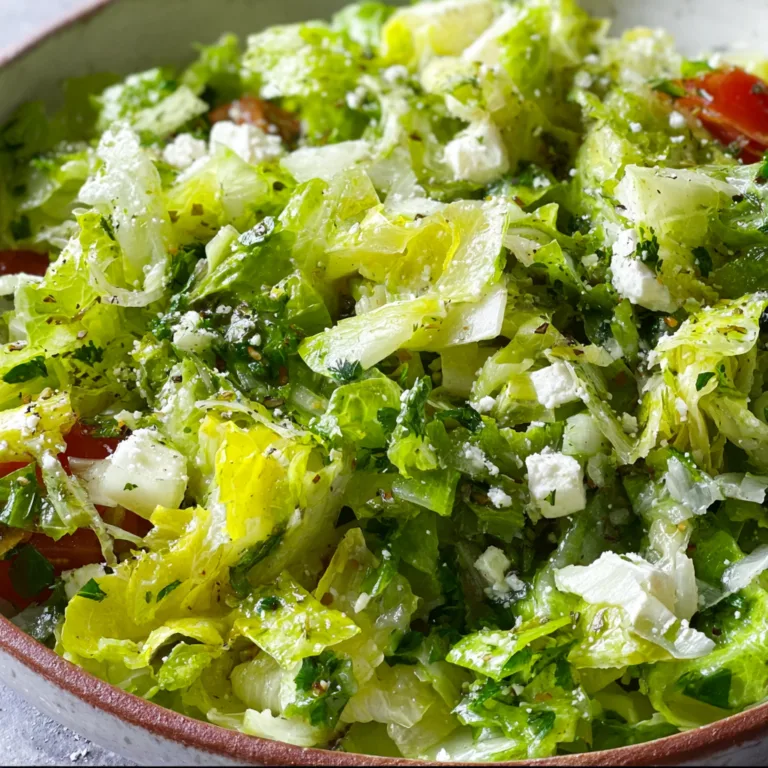
Authentic Maroulosalata Recipe
Authentic Maroulosalata recipe made with crisp romaine lettuce, fresh herbs, olive oil, and lemon. A traditional Greek lettuce salad that’s light, refreshing, and healthy.
- Total Time: 15 minutes
- Yield: 4 servings
Ingredients
2 large romaine lettuce hearts, finely shredded
4 green onions, thinly sliced
1/4 cup fresh dill, chopped
1/4 cup fresh parsley, chopped
1/4 cup extra virgin olive oil
3 tablespoons fresh lemon juice
1/2 teaspoon salt
1/4 teaspoon black pepper
1 tablespoon red wine vinegar (optional)
Instructions
1. Wash and thoroughly dry the romaine lettuce.
2. Finely shred the lettuce and place in a large bowl.
3. Add sliced green onions, dill, and parsley.
4. In a small bowl, whisk olive oil, lemon juice, salt, black pepper, and vinegar if using.
5. Pour dressing over the salad.
6. Gently toss with your hands to lightly massage and combine.
7. Let sit for 5-10 minutes to soften slightly.
8. Serve fresh as a side dish.
Notes
Finely shredding lettuce is key for authentic texture.
Use high-quality extra virgin olive oil for best flavor.
Massage gently to soften the lettuce without bruising.
Serve immediately for freshness.
- Prep Time: 15 minutes
- Cook Time: 0 minutes
- Category: Salad
- Method: No-Cook
- Cuisine: Greek
- Diet: Vegan
Why You’ll Love This Maroulosalata (Greek Lettuce Salad)
A Taste of Greece in Minutes
This maroulosalata captures the essence of Greek cuisine—simple ingredients allowed to shine through minimal preparation. The crisp romaine provides the perfect backdrop for the zingy dressing, while cucumber adds refreshing crunch. I love how the briny feta cheese melts slightly into the dressing, creating little pockets of creamy tanginess throughout. The beauty lies in its simplicity; you’ll spend just 10 minutes preparing it, yet the flavors taste like they’ve been perfected over generations. My Greek neighbor Eleni says this is exactly how her yiayia (grandmother) made it back in Athens.
Health Benefits That Don’t Compromise on Flavor
What I adore about maroulosalata is how it packs nutritional punch without feeling like “health food.” The romaine lettuce delivers fiber and vitamins A and K, while tomatoes offer lycopene and antioxidants. Cucumbers provide hydration and minerals, and the olive oil delivers heart-healthy fats. Even the feta contributes calcium and protein! I started making this salad during my “eat more vegetables” phase, but it quickly became a staple because it’s genuinely delicious—not because it’s “good for me.” The bright flavors make it feel indulgent despite being incredibly nourishing.
Essential Tips & Tricks
Perfecting the Dressing Balance
The soul of maroulosalata lies in its dressing—a perfect harmony of extra virgin olive oil, fresh lemon juice, and dried oregano. The ratio matters tremendously here; too much oil makes it heavy, while too much lemon overwhelms the delicate vegetables. I learned through trial and error that 3 parts oil to 2 parts lemon juice creates magic. Always use the highest quality olive oil you can afford—it makes a world of difference. I still remember the first time I made this with oil I brought back from a small producer in Kalamata; the peppery finish transformed the entire salad into something transcendent.
Texture and Preparation Techniques
For authentic maroulosalata texture, proper cutting techniques matter more than you might think. Slice the romaine into thin ribbons rather than tearing it—this traditional approach helps the dressing cling better. Dice cucumbers and tomatoes into small, uniform pieces (about ¼-inch cubes) for the perfect bite. Salt your tomatoes separately and drain excess liquid to prevent a watery salad. I learned this trick from a Mediterranean cooking class I took last summer, and it’s been a game-changer for keeping my maroulosalata crisp and perfectly dressed rather than soggy.
Serving Ideas & Creative Variations
Perfect Pairings for Your Greek Table
Maroulosalata shines as part of a larger Greek mezze spread. I love serving it alongside warm pita bread, hummus, tzatziki, and olives for a casual gathering. For a more substantial meal, pair it with grilled lamb chops, souvlaki, or a hearty moussaka. The fresh, bright flavors provide the perfect counterpoint to richer dishes. Last summer, I served this with garlic butter steak, and my guests couldn’t stop raving about how the crisp salad balanced the richness of the meat. The contrast of temperatures and textures makes for an unforgettable dining experience.
Regional Variations and Modern Twists
While traditional maroulosalata is perfect as is, I’ve discovered some delightful variations across different Greek regions. In Crete, they often add capers and purslane for a peppery bite. Island versions might include thinly sliced fennel for anise notes. For a more substantial salad, try adding chickpeas or white beans. My personal favorite twist is adding thinly sliced radishes and fresh mint—it brings a whole new dimension of flavors while respecting the original. When cherry tomatoes are in season, I substitute them for regular tomatoes; their natural sweetness creates beautiful contrast against the tangy dressing.
Storage & Troubleshooting Guide
Keeping Your Salad Fresh
Maroulosalata is at its absolute best when freshly made, but with a few tricks, you can prepare components ahead of time. Store washed and dried romaine, sliced cucumber, and diced tomatoes separately in airtight containers lined with paper towels. Keep the dressing in a jar in the refrigerator for up to 3 days. Combine everything just before serving to maintain optimal crispness. If you must store leftover dressed salad, it will keep for about 24 hours, though the lettuce will soften. I’ve found that a glass container with a tight seal works better than plastic for maintaining freshness.
Solving Common Challenges
The most common issue with maroulosalata is ending up with a watery bottom in your salad bowl. To prevent this, thoroughly dry your lettuce after washing—I use a salad spinner, then pat with clean kitchen towels. Salt tomatoes 15 minutes before mixing, then drain excess liquid. If your salad still seems watery, serve with a slotted spoon. Another challenge is overpowering raw onion flavor. Soak sliced onions in ice water for 10-15 minutes, then drain and pat dry to mellow their sharpness while maintaining crunch. This simple step transformed my maroulosalata experience when I discovered it at a cooking class in Athens.
Frequently Asked Questions
What makes authentic maroulosalata different from other Greek salads?
Maroulosalata focuses on lettuce as the main ingredient, unlike Greek salad (horiatiki) which doesn’t contain lettuce at all. The dressing is similar, but maroulosalata typically has a higher ratio of lettuce to other vegetables and a lighter feel.
Can I make maroulosalata ahead of time?
Prepare components separately up to 24 hours ahead, but combine just before serving. The lettuce wilts quickly once dressed, and the salad loses its characteristic crispness if it sits too long.
What’s the best lettuce for maroulosalata?
Romaine lettuce is traditional for its crisp texture and ability to stand up to dressing without wilting quickly. In Greece, local varieties similar to romaine are used, but romaine is the closest widely available option.
Is maroulosalata gluten-free?
Yes, traditional maroulosalata is naturally gluten-free, containing only vegetables, olive oil, lemon juice, herbs, and cheese. Just ensure any added ingredients like croutons are also gluten-free if needed.
Can I substitute ingredients in traditional maroulosalata?
While authentic maroulosalata has specific ingredients, you can make substitutions like using red wine vinegar instead of lemon juice or goat cheese instead of feta while still capturing the essence of this Greek lettuce salad.
Final Thoughts
Maroulosalata may seem simple at first glance, but its brilliance lies in that very simplicity. Each component plays a crucial role in creating a harmonious whole that’s greater than the sum of its parts. What I love most about this Greek lettuce salad is how it connects me to generations of Mediterranean cooks who understood that fresh, quality ingredients need little manipulation to shine. Whether you’re serving it alongside a feast or enjoying it as a light lunch, maroulosalata brings a taste of Greek sunshine to your table. Find more of my favorite Mediterranean recipes on Pinterest.