

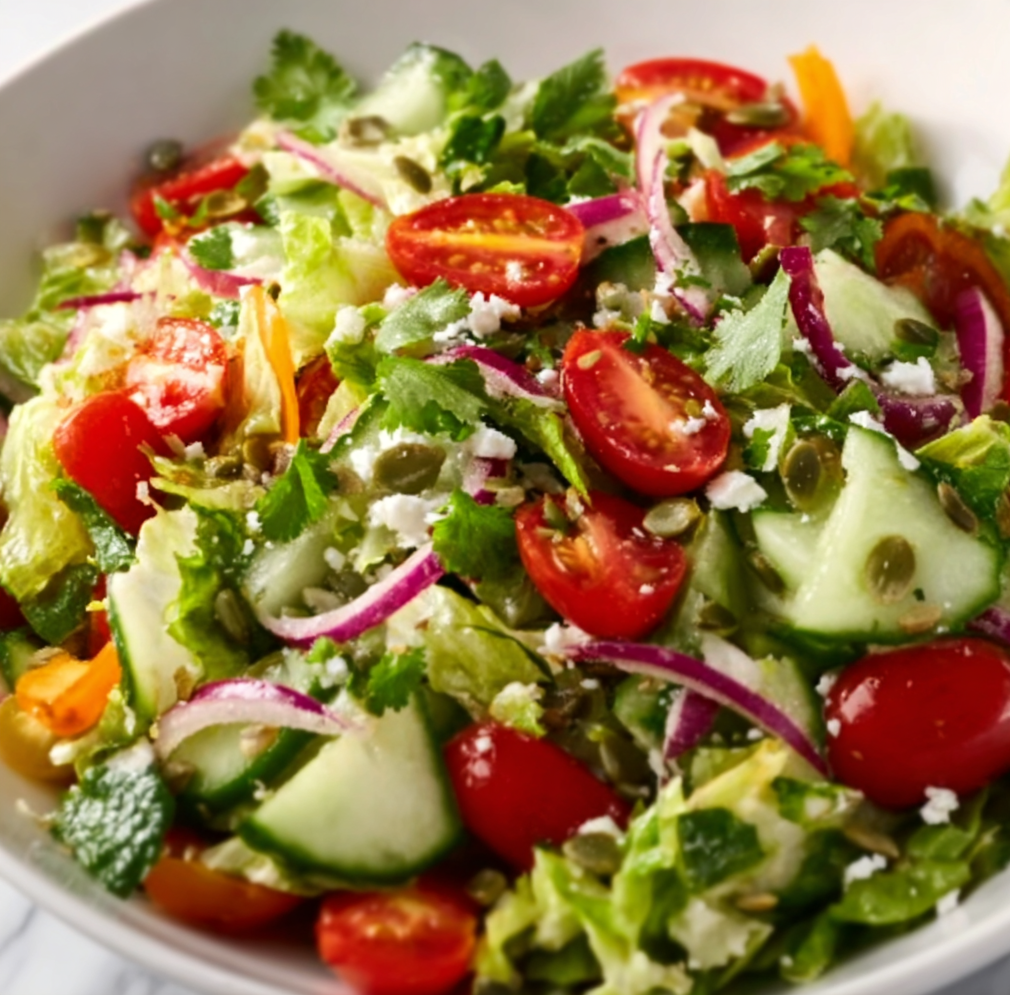
Chopped salad is my absolute go-to when I want something fresh, vibrant, and endlessly customizable. There’s something magical about the way each bite delivers a perfect medley of flavors and textures—crisp vegetables, savory proteins, creamy dressings, and crunchy toppings all dancing together. I first fell in love with chopped salads during a summer in California, where the ingredients were so fresh they practically jumped off the plate. Now, I make some version of this versatile dish at least twice a week, and my kitchen scissors have never seen so much action! Whether you’re meal prepping for busy weekdays or serving a crowd, a good chopped salad never disappoints.
Recipe
Print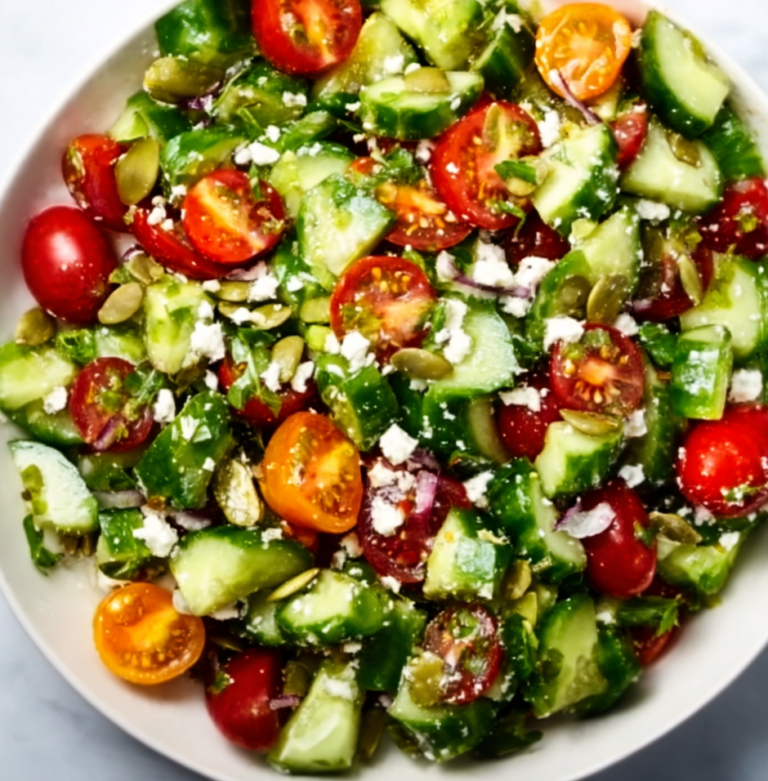
Fresh and Healthy Chopped Salad Recipe
Fresh and Healthy Chopped Salad Recipe is an easy, colorful, and delicious meal option packed with crisp lettuce, fresh vegetables, chickpeas, cheese, herbs, and a zesty homemade dressing. This refreshing salad works perfectly for healthy lunches, quick dinners, or meal prep.
- Total Time: 15 minutes
- Yield: 4 servings
Ingredients
4 cups romaine lettuce, chopped
2 cups iceberg lettuce, chopped
1 cup cucumber, diced
1 cup cherry tomatoes, halved
1/2 cup red onion, diced
1/2 cup chickpeas, drained and rinsed
1/2 cup shredded carrots
1/2 cup corn kernels
1/2 cup cheddar cheese, cubed
1 avocado, diced
2 tablespoons fresh parsley, chopped
3 tablespoons olive oil
2 tablespoons red wine vinegar
1 teaspoon Dijon mustard
1 clove garlic, minced
1/2 teaspoon salt
1/4 teaspoon black pepper
Instructions
1. Add chopped romaine lettuce and iceberg lettuce to a large salad bowl.
2. Add cucumber, cherry tomatoes, red onion, chickpeas, carrots, corn, cheddar cheese, and avocado.
3. Whisk olive oil, red wine vinegar, Dijon mustard, garlic, salt, and black pepper in a small bowl.
4. Pour the dressing over the salad ingredients.
5. Toss gently until everything becomes evenly coated.
6. Sprinkle fresh parsley on top.
7. Serve immediately for the freshest texture.
Notes
Use fresh crisp lettuce for the best crunch.
Add grilled chicken for extra protein.
Store dressing separately if meal prepping.
Feta cheese also works well in this salad.
Serve chilled for maximum freshness.
- Prep Time: 15 minutes
- Cook Time: 0 minutes
- Category: Salad
- Method: Mixing
- Cuisine: American
- Diet: Vegetarian
Why You’ll Love This Chopped Salad
Perfect Texture in Every Bite
The beauty of a chopped salad lies in its uniform pieces. When everything is cut to similar sizes, you get a little bit of everything in each forkful—no awkward lettuce leaves slapping your chin or cherry tomatoes rolling away. I’m particularly obsessed with the textural contrast between crisp romaine, juicy tomatoes, and creamy avocado. Last weekend, my nephew (who normally pushes vegetables around his plate) devoured two helpings because “it was fun to eat.” The smaller pieces also absorb dressing more evenly, ensuring flavor in every bite. For little ones or picky eaters, this preparation style makes vegetables far less intimidating.
Infinitely Customizable
What I adore most about chopped salads is their adaptability to whatever’s in your fridge. Starting with a base of romaine or iceberg, you can add virtually any vegetable, protein, cheese, or topping. Got leftover rotisserie chicken? Toss it in. Half an avocado about to turn? Perfect addition. Almost-forgotten bell pepper in the crisper drawer? Chop it up! My personal favorite combination includes cucumber, cherry tomatoes, red onion, feta cheese, and grilled chicken with a lemon-herb vinaigrette. But I’ve made Mexican-inspired versions with black beans and corn, Mediterranean variations with olives and artichokes, and autumn versions with roasted sweet potatoes and cranberries.
Essential Tips & Tricks
Proper Chopping Technique
The secret to an exceptional chopped salad is in the cutting technique. I recommend using a sharp chef’s knife and cutting everything into pieces no larger than 1/2-inch. For leafy greens, stack them, roll tightly, then slice into thin ribbons (chiffonade). For round vegetables like tomatoes and cucumbers, quarter them before dicing. The goal is consistency—when all ingredients are similarly sized, you’ll get that perfect texture in every bite. I’ve found that a cutting board with ample space makes the process much more enjoyable. Take your time with the knife work; it’s almost meditative, and the results are worth every minute.
Dressing and Layering Strategy
The dressing timing can make or break your chopped salad. For hearty ingredients (like kale or cabbage), toss with dressing 15-30 minutes before serving to slightly soften the leaves. For delicate greens, dress right before serving to maintain crispness. I’ve learned through many soggy salad disasters that layering matters too! Start with heartier ingredients at the bottom, add your proteins and cheeses in the middle, and save delicate items for the top. For make-ahead salads, try the mason jar method with dressing at the bottom, followed by sturdy vegetables, proteins, and greens at the top—simply shake when ready to eat!
Serving Ideas & Creative Variations
Meal-Worthy Protein Additions
Transform your chopped salad from side dish to satisfying main by incorporating protein-rich ingredients. My favorites include grilled chicken breast, seared salmon, hard-boiled eggs, chickpeas, or marinated tofu for vegetarian options. The key is to season your protein well—I love using a simple blend of garlic powder, smoked paprika, and herbs before cooking. For a special weekend lunch, try topping your salad with seared scallops for an elegant twist. When adding warm proteins to your salad, let them cool slightly first to prevent wilting the greens, but add them while still warm enough to slightly melt any cheese—creating a deliciously creamy element.
Seasonal Adaptations
Embracing seasonal produce elevates your chopped salad from good to extraordinary. In summer, I load up on juicy tomatoes, crisp cucumbers, sweet corn, and fragrant basil. Fall brings opportunities for roasted butternut squash, sliced apples, and toasted pecans. Winter salads feature citrus segments, pomegranate arils, and hearty kale, while spring calls for tender lettuces, snap peas, and fresh herbs. Adjusting your dressing to complement seasonal ingredients makes a huge difference too—lighter vinaigrettes for summer, creamier dressings for winter. My favorite December variation includes roasted sweet potatoes, dried cranberries, goat cheese, and maple-balsamic dressing that makes even the coldest days feel cozy.
Storage & Troubleshooting Guide
Keeping It Fresh
The storage secret for chopped salads is keeping components separate until serving time. I prepare all ingredients in advance but store them in individual containers or divided meal prep containers. Leafy greens stay crisp longer when wrapped in slightly damp paper towels before refrigerating. For avocados, a squeeze of lemon juice prevents browning. When taking chopped salad to work or school, pack dressing separately in a leak-proof container. If you must pre-dress your salad, choose heartier greens like kale or cabbage that won’t wilt quickly. Properly stored, most chopped salad components will stay fresh for 3-5 days, though some delicate items like sliced avocado should be prepared day-of.
Rescuing Common Issues
Even the most experienced salad makers encounter texture problems occasionally. If your greens have wilted slightly, a 10-minute ice water bath can revive their crispness—just dry thoroughly afterward. For soggy salad (the worst!), add fresh, crunchy elements like toasted nuts, crispy chickpeas, or croutons just before serving to introduce texture contrast. If your salad tastes bland, a splash of acid (lemon juice or vinegar) and a pinch of salt work wonders to brighten flavors. Too much dressing? Toss in additional undressed greens or vegetables to absorb the excess. And if your salad has become a sad desk lunch by midday, bringing separate toppings like seeds or dried fruit can instantly refresh the experience.
Frequently Asked Questions
What makes a chopped salad different from a regular salad?
A chopped salad features ingredients cut into uniform, bite-sized pieces, creating consistent texture and flavor in every bite. Regular salads often contain larger, varied pieces that don’t blend as cohesively.
Can I prepare a chopped salad in advance?
Yes! Prep ingredients up to 3 days ahead but store components separately. Combine just before serving, or layer strategically in mason jars with dressing at the bottom.
What’s the best way to chop ingredients efficiently?
Use a sharp chef’s knife on a large cutting board. Start with greens, then move to firmer vegetables. For consistent pieces, cut vegetables in half lengthwise first, then make crosswise cuts.
How do I keep my chopped salad from getting soggy?
Dry ingredients thoroughly after washing. Add dressing just before serving or place it at the bottom of your container with heartier ingredients as a barrier between dressing and delicate greens.
What are the best greens to use in a chopped salad?
Romaine provides excellent crunch, while iceberg offers hydration. Kale works well for make-ahead salads because it doesn’t wilt easily. Mix greens for varied textures and nutritional benefits.
Final Thoughts
The humble chopped salad has become my kitchen MVP—versatile enough for quick lunches yet impressive for dinner parties. There’s something deeply satisfying about transforming simple ingredients into a colorful, nutritious meal that pleases both the eye and palate. What I love most about chopped salads is their democratic nature; every ingredient gets equal billing, creating harmony in diversity. Whether you’re a salad enthusiast or vegetable skeptic, I encourage you to experiment with different combinations and make this recipe your own. The perfect chopped salad isn’t just about technique—it’s about creating something that brings you joy, one perfectly proportioned bite at a time. Find more inspiration on Pinterest!