

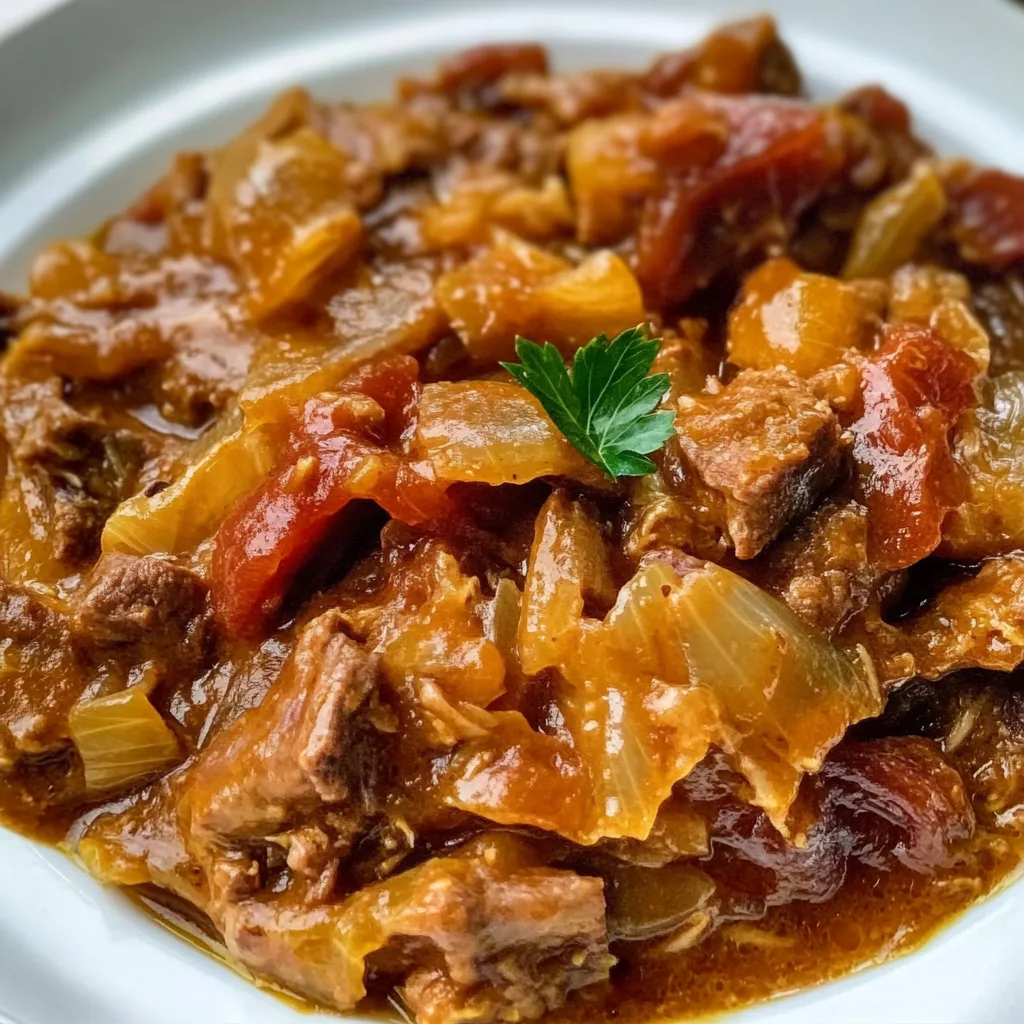
Bigos Stew, often called “Hunter’s Stew,” is Poland’s soul-warming national dish that I’ve come to treasure during cold winter evenings. This hearty medley of sauerkraut, fresh cabbage, and various meats simmered slowly creates a symphony of tangy, savory flavors that only gets better with time. The first time I tasted authentic bigos at my Polish neighbor’s home, I was instantly transported by its complex, comforting essence. Today, I’m sharing my version that honors tradition while being accessible for your home kitchen. Like my garlic butter steak with parmesan cream sauce, this stew rewards patience with incredible flavor.
Recipe
Print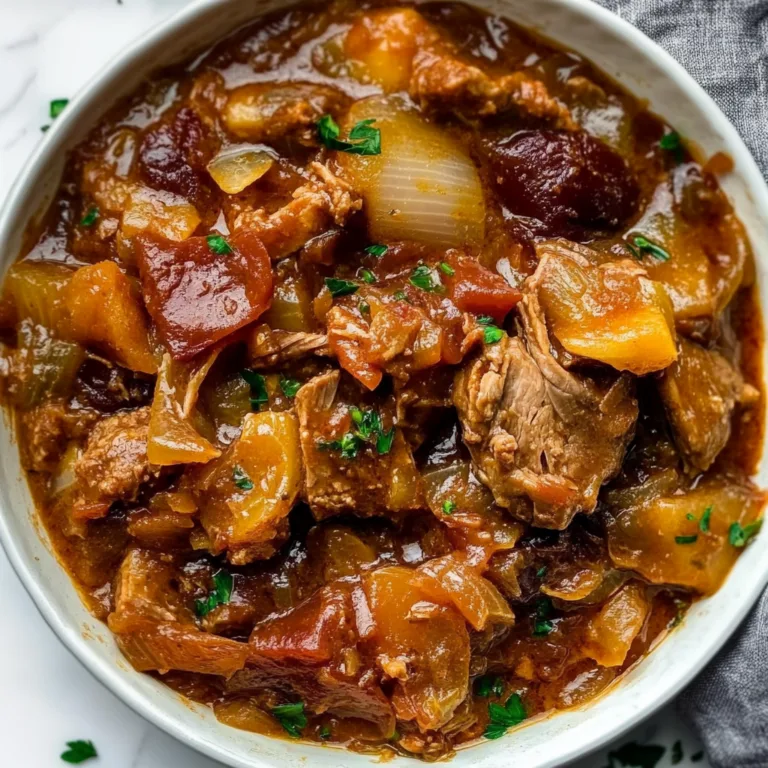
Traditional Bigos Stew Recipe | Authentic Polish Hunter’s Stew Guide
Traditional Polish Bigos, or Hunter’s Stew, is a slow-simmered mix of sauerkraut, cabbage, smoked meats, and mushrooms. It’s bold, tangy, and deeply comforting—perfect served with rye bread or potatoes.
- Total Time: 1 hour 50 minutes
- Yield: 6 servings
Ingredients
2 tbsp vegetable oil or butter
1 medium onion, diced
2 garlic cloves, minced
8 oz kielbasa or smoked sausage, sliced
8 oz pork shoulder or stew meat, cubed
2 cups fresh green cabbage, shredded
2 cups sauerkraut, drained (not rinsed)
1/2 cup dried mushrooms (reconstituted in hot water, chopped)
1/2 cup reserved mushroom soaking liquid
1/2 cup dry red wine (optional but traditional)
1 tbsp tomato paste
1 bay leaf
1/2 tsp caraway seeds (optional)
Salt and pepper to taste
Instructions
1. In a large Dutch oven, heat oil over medium heat. Add onions and garlic; sauté 3–4 minutes until soft.
2. Add sausage and pork. Brown for 6–8 minutes until lightly golden.
3. Stir in tomato paste, then add cabbage, sauerkraut, mushrooms, mushroom liquid, wine, bay leaf, and caraway.
4. Bring to a simmer, then reduce heat to low. Cover and cook for at least 1 1/2 hours, stirring occasionally. Add water if it gets too dry.
5. Season with salt and pepper to taste.
6. Let sit overnight if possible—flavors deepen after 1–2 days. Reheat gently and serve warm.
Notes
• Best made a day ahead—traditional bigos improves with time.
• Serve with mashed potatoes, rye bread, or over buttered noodles.
• Can be frozen and reheated later—perfect for batch cooking.
- Prep Time: 20 minutes
- Cook Time: 90 minutes
- Category: Main Dish
- Method: Slow Simmered
- Cuisine: Polish
Why You’ll Love This BIGOS STEW
A Flavor Powerhouse That Improves With Time
This isn’t just any stew—bigos is a flavor revelation that actually tastes better the next day (and the day after that). The magic happens as the tangy sauerkraut mellows, the meats tenderize, and everything melds into something greater than the sum of its parts. I’ve found myself deliberately making extra just to experience how the flavors deepen overnight. The slight sourness of fermented cabbage balances perfectly with the richness of the meats, while mushrooms add earthy depth. When friends ask what makes this stew special, I always tell them it’s the patience it demands—and how abundantly it rewards that patience with layers of flavor that unfold with each bite.
A One-Pot Wonder With Endless Adaptability
What I adore about bigos is its forgiving nature. Traditional recipes vary widely across Poland, which means you can adapt it to what you have available. No kielbasa? Use smoked sausage or even leftover holiday ham. The stew happily accepts various meats—pork shoulder, beef chuck, venison, or even duck. I’ve made it countless times, never exactly the same way twice, and it’s always delicious. The one-pot cooking method means minimal cleanup, while the long, slow simmer requires little attention. You can prepare it on a lazy Sunday and enjoy it throughout the week as the flavors continue to develop, making meal prep feel like a gift to your future self.
Essential Tips & Tricks
Getting The Perfect Texture Balance
The key to exceptional bigos lies in achieving the right texture harmony between the sauerkraut and fresh cabbage. I always rinse the sauerkraut briefly (not thoroughly) to temper its sharpness while retaining its distinctive tang. For the fresh cabbage, I slice it thinly and sauté it separately before adding it to the mix—this prevents the stew from becoming watery. The meat should be cut into bite-sized cubes and deeply browned before simmering, creating those essential caramelized flavor compounds. If your stew seems too watery during cooking, simply remove the lid and let it reduce. Too dry? Add a splash of good-quality beef stock or even a glug of red wine for added depth.
The Secret Flavor Boosters
Every time I make bigos, I include several non-negotiable ingredients that elevate it from good to exceptional. Dried mushrooms (preferably porcini) rehydrated in hot water create an umami-rich stock that adds remarkable depth. Don’t discard that soaking liquid—strain and add it to the stew! A few prunes might sound unusual, but they contribute subtle sweetness that balances the sauerkraut’s acidity. My Polish friend’s grandmother taught me to add a tablespoon of tomato paste and a teaspoon of honey for richness and balance. And don’t forget the spices—bay leaves, allspice berries, juniper berries, and caraway seeds are traditional and worth seeking out. Like in my German goulash recipes, these aromatics create the backbone of authentic flavor.
Serving Ideas & Creative Variations
Traditional Polish Accompaniments
Bigos deserves to be served with hearty sides that can stand up to its robust flavor. Crusty rye bread is the traditional choice—substantial enough to dip into the rich sauce without falling apart. In Poland, you’ll often find bigos accompanied by boiled or mashed potatoes, which provide a neutral canvas for the stew’s complex flavors. For a complete Polish experience, serve with a cold glass of piwo (beer) or a shot of chilled vodka, which cuts through the richness beautifully. I love to add a dollop of sour cream on top and a sprinkle of fresh dill for brightness. For a family gathering, consider pairing with kielbasa and sauerkraut for an authentic Polish feast.
Modern Twists On The Classic
While I respect tradition, I’ve discovered some delicious contemporary adaptations that honor bigos’ essence while bringing new dimensions. For a lighter version, try using turkey kielbasa and increasing the mushroom proportion. Vegetarians can create a surprisingly satisfying meatless version using smoked tofu, extra mushrooms, and a dash of liquid smoke. For unexpected brightness, add grated apple during the last 30 minutes of cooking. I’ve served bigos in hollowed-out bread bowls for casual entertaining, and even used it as a spectacular filling for savory pierogi. For special occasions, deglaze the pan with a splash of Polish Żubrówka (bison grass vodka) before adding the liquids for an aromatic twist.
Storage & Troubleshooting Guide
Maximizing Flavor Through Proper Storage
Bigos is one of those rare dishes that truly improves with age, making it perfect for meal prep and batch cooking. After cooling completely, transfer to airtight containers and refrigerate for up to 5 days—the flavor will continue developing beautifully. For longer storage, freeze portions in freezer-safe containers for up to 3 months. I often make a double batch specifically to freeze half for future quick dinners.
When reheating, do so gently on the stovetop with a splash of stock if needed, allowing time for the flavors to wake up. The fats may solidify when chilled—this is normal and will reincorporate when heated. For the ultimate experience, reheat and then cool again before serving, repeating this cycle enhances the flavor melding.
Troubleshooting Common Issues
Even experienced cooks occasionally encounter challenges with bigos. If your stew tastes too sour, add a grated apple or a teaspoon of honey to balance the acidity. For a stew that’s not flavorful enough, try adding more umami boosters like mushroom powder or a splash of Worcestershire sauce. If the meat remains tough after hours of cooking, your heat may be too high—bigos requires a true low simmer to tenderize properly.
For a stew that’s too thin, remove the lid and increase the heat slightly to reduce, or add a small amount of roux (equal parts butter and flour cooked together). Too thick? Simply add more stock. Remember that bigos’ flavor profile is supposed to be complex and somewhat tangy—it’s not meant to be bland comfort food.
Frequently Asked Questions
What is traditional Polish Bigos Stew made of?
Traditional Bigos combines sauerkraut, fresh cabbage, various meats (kielbasa, pork, beef, or game), dried mushrooms, prunes, and spices like juniper berries, bay leaves, and allspice. It’s slowly simmered, often with a splash of red wine or vodka for depth.
How long does Bigos Stew need to simmer?
For the best flavor development, simmer Bigos for at least 2-3 hours on your first day of cooking. Many Polish cooks reheat it for several consecutive days, simmering for 30-60 minutes each time to deepen the flavors.
Can I make Bigos Stew in a slow cooker?
Absolutely! Brown the meats and sauté the vegetables first, then transfer everything to a slow cooker. Cook on low for 6-8 hours for beautifully tender meat and melded flavors.
Is Bigos Stew gluten-free?
Traditional Bigos is naturally gluten-free, but always check your sausage labels as some may contain fillers with gluten. Also ensure any added stock or beer is certified gluten-free if needed.
Can I freeze leftover Bigos Stew?
Yes! Bigos freezes exceptionally well for up to 3 months. The flavor continues to develop even after thawing and reheating, making it perfect for batch cooking.
Final Thoughts
Bigos Stew represents everything I love about traditional cooking—patience rewarded with incredible flavor, ingredients transformed through time and technique, and a dish that connects us to generations of home cooks. Each time I prepare this Polish treasure, I’m reminded of how the simplest ingredients can create something truly extraordinary. Whether you’re exploring Polish cuisine for the first time or looking to reconnect with your heritage, this hearty hunter’s stew deserves a place in your recipe collection. I hope you’ll experience the same joy I do when that first spoonful of tangy, savory Bigos hits your palate and warms you from the inside out. Find more of my favorite comfort food recipes on Pinterest.