


Authentic Cajun Crawfish Étouffée isn’t just a dish—it’s a celebration of Louisiana’s soulful culinary heritage. The first time I made this rich, roux-based stew in my tiny apartment kitchen, the aroma transported me straight to New Orleans. There’s something magical about watching humble ingredients transform into a velvety sauce that cradles plump crawfish tails. Today, I’m sharing my treasured recipe that balances traditional Cajun flavors with approachable techniques, perfect for bringing a taste of the bayou to your dinner table. This étouffée (pronounced ay-too-FAY) literally means “smothered,” and that’s exactly what we’re doing with these delicious crawfish!
Recipe
Print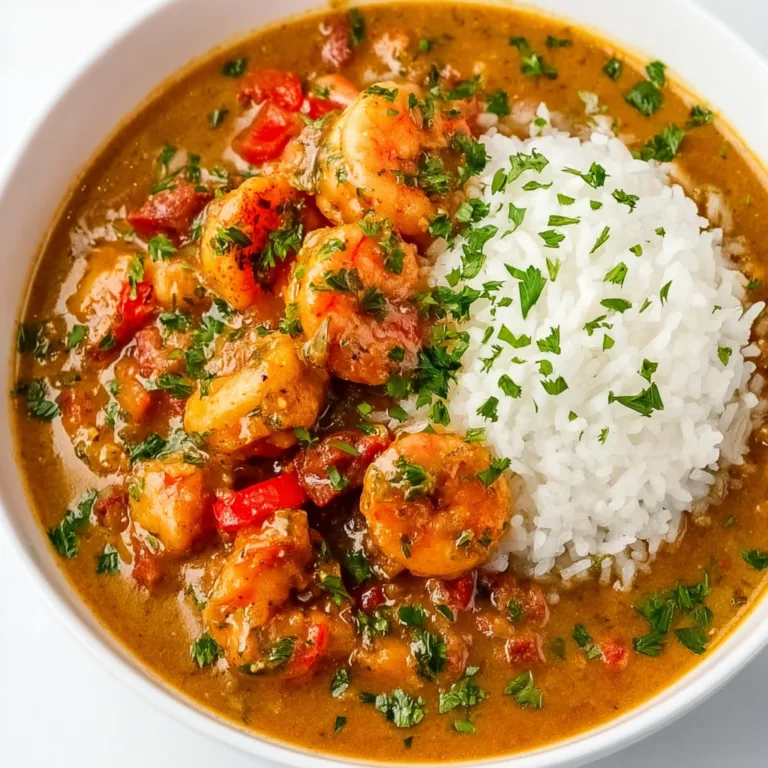
Authentic Cajun Crawfish Étouffée Recipe
This Authentic Cajun Crawfish Étouffée is a bold, rich, and comforting Louisiana classic! Made with a deeply flavorful roux, the Cajun trinity (onion, bell pepper, celery), and tender crawfish tails—this hearty stew is best served over fluffy white rice for a true Southern experience.
- Total Time: 45
- Yield: 4 servings
Ingredients
1/2 cup unsalted butter
1/2 cup all-purpose flour
1 medium onion, finely chopped
1 green bell pepper, finely chopped
2 celery stalks, finely chopped
3 garlic cloves, minced
1 (10 oz) can diced tomatoes with green chiles (optional)
1 teaspoon Cajun seasoning
1/2 teaspoon smoked paprika
1/4 teaspoon cayenne pepper (adjust to taste)
1/2 teaspoon dried thyme
2 cups seafood or chicken stock
1 lb cooked crawfish tails (thawed if frozen)
2 green onions, chopped
Salt and black pepper, to taste
Cooked white rice, for serving
Chopped parsley, for garnish
Instructions
1. In a large skillet or Dutch oven, melt butter over medium heat.
2. Whisk in flour and stir constantly to create a medium-brown roux, about 8–10 minutes.
3. Add onion, bell pepper, and celery. Cook until softened, about 5–6 minutes.
4. Stir in garlic and cook for 1 minute more.
5. Add tomatoes (if using), Cajun seasoning, paprika, cayenne, thyme, salt, and pepper. Stir well.
6. Gradually whisk in stock and bring to a simmer. Let cook for 10 minutes until thickened.
7. Add crawfish tails and simmer for 5 more minutes until heated through.
8. Stir in green onions. Taste and adjust seasoning.
9. Serve over hot cooked rice and garnish with parsley.
Notes
• For extra richness, add a splash of cream or a pat of butter before serving.
• You can sub shrimp if crawfish is unavailable.
• Make the roux darker for a deeper, nuttier flavor—just watch it closely.
- Prep Time: 15
- Cook Time: 30
- Category: Main Course
- Method: Stovetop
- Cuisine: Cajun
Why You’ll Love This Authentic Cajun Crawfish Étouffée
A Symphony of Authentic Flavors
The heart and soul of Cajun cooking lies in its depth of flavor, and this étouffée delivers in spades. The foundation begins with a proper roux—flour and fat cooked slowly until it reaches that perfect peanut butter color. This isn’t just a thickening agent; it’s where the nutty, complex flavor begins. I remember my first attempt at roux—I was terrified of burning it and stood guard, stirring continuously for nearly 20 minutes! But that patience rewards you with the distinctive flavor that can’t be rushed or substituted. The “holy trinity” of bell peppers, onions, and celery adds aromatic sweetness, while the crawfish tails provide a delicate sweetness that’s uniquely theirs.
Comfort Food with Louisiana Soul
There’s something deeply comforting about spooning this rich étouffée over a mound of fluffy white rice. The sauce, with its velvety texture and complex spices, seeps into the rice, creating the perfect bite every time. What I love most is how this dish brings people together—I’ve served it at everything from casual Friday dinners to special celebrations. The recipe strikes that perfect balance between special occasion worthy and weeknight achievable. Even my friend who “doesn’t like seafood” requests this dish whenever she visits! The combination of butter, spices, and crawfish creates a warmth that feels like a hug from the inside out, especially on chilly evenings.
Essential Tips & Tricks
Mastering the Perfect Roux
The foundation of any great étouffée is a properly cooked roux, which requires patience and attention. Use a heavy-bottomed pot (I love my cast iron for this) and keep the heat medium-low—this isn’t a step to rush! Stir constantly with a wooden spoon, watching as the mixture transforms from pale to golden to a rich peanut butter shade. This usually takes 15-20 minutes, but the flavor development is worth every second. If you see black specks, unfortunately, that means it’s burned and you’ll need to start over. The roux should smell nutty and toasted, not acrid.
Remember that it will continue darkening slightly after you add the trinity of vegetables, so it’s better to err on the lighter side if you’re uncertain.
Selecting and Preparing Crawfish
For the most authentic flavor, Louisiana crawfish tails are the gold standard—they have a distinctive sweetness that makes our Cajun dishes shine. If you can find fresh, that’s wonderful, but high-quality frozen tails work beautifully too. The key is to thaw them properly (overnight in the refrigerator) and drain them well. I always save the fat that comes in the package—that orange-tinted juice contains incredible flavor! Add it along with the tails for an extra dimension of authenticity. Be careful not to overcook the crawfish; they only need a few minutes at the end of cooking. If crawfish are unavailable, shrimp makes a good substitute, though the flavor profile will be slightly different but still delicious.
Serving Ideas & Creative Variations
Traditional and Modern Accompaniments
While fluffy white rice is the classic foundation for étouffée, don’t stop there! Crusty French bread for sopping up that rich sauce is practically mandatory in my house. For a complete Cajun experience, serve with a simple side salad dressed with vinaigrette to cut through the richness. I’ve discovered that a cold Abita beer or crisp white wine like Pinot Grigio complements the flavors beautifully. For a show-stopping presentation, serve the étouffée in a ring of rice molded with a small bowl, then carefully removed. Garnish with thinly sliced green onions and a light sprinkle of paprika for color. These creative serving ideas elevate the dish from homestyle to restaurant-worthy.
Regional and Dietary Adaptations
While purists might insist there’s only one way to make étouffée, regional variations offer delicious alternatives. New Orleans-style often includes tomatoes for a slightly “redder” sauce, while rural Cajun preparations typically skip them. For a Creole twist, add a tablespoon of tomato paste to your roux once it’s reached the desired color. If you’re accommodating dietary restrictions, the recipe adapts well: use oil instead of butter for dairy-free versions, or substitute gluten-free flour in your roux (though you may need to adjust quantities slightly). For those avoiding shellfish, this sauce technique works beautifully with chicken or even mushrooms for a vegetarian option that still captures the essence of Cajun cooking.
Storage & Troubleshooting Guide
Proper Storage and Reheating
Étouffée actually improves with time as the flavors meld, making it perfect for make-ahead meals. Store leftovers in an airtight container in the refrigerator for up to 3 days. When reheating, do so gently over low heat, adding a splash of chicken stock or water if the sauce has thickened too much. I find the microwave works in a pinch, but stovetop reheating gives better results. For longer storage, étouffée freezes beautifully for up to 3 months—just omit the crawfish and add them fresh when reheating.
The texture of crawfish can deteriorate with freezing, becoming a bit tough. I like to portion leftovers into individual containers for quick weeknight dinners that taste like I spent hours in the kitchen.
Troubleshooting Common Issues
If your étouffée sauce breaks or appears oily, a gentle whisking while reheating can help re-emulsify it. For sauce that’s too thick, gradually add small amounts of warm stock until you reach your desired consistency. Conversely, if your sauce is too thin, you can create a small amount of additional roux in a separate pan and whisk it in, or simmer the sauce uncovered to reduce it. If you find the flavor lacking depth, don’t immediately reach for more cayenne—instead, try adding a splash of Worcestershire sauce or a squeeze of lemon juice to brighten the flavors.
Remember that salt is crucial for bringing out the flavors of the dish, so taste and adjust seasoning at the end of cooking.
Frequently Asked Questions
What’s the difference between étouffée and gumbo?
While both are Cajun staples, étouffée has a thicker, gravy-like consistency based on a lighter roux. Gumbo uses a darker roux, contains okra or filé powder as thickeners, and typically includes multiple proteins.
Can I substitute shrimp for crawfish in Authentic Cajun Crawfish Étouffée?
Yes! Shrimp works beautifully as a substitute. Use medium-sized shrimp and add them during the last 5 minutes of cooking to prevent overcooking.
How spicy should étouffée be?
Traditional étouffée has a moderate warmth rather than intense heat. Start with less cayenne and adjust to your preference—the goal is balanced flavor, not overwhelming spiciness.
Can étouffée be made ahead for parties?
Absolutely! Prepare the sauce a day ahead, refrigerate, then reheat gently and add the crawfish 5 minutes before serving for the freshest flavor.
Is a dark roux necessary for étouffée?
No—unlike gumbo, authentic crawfish étouffée uses a medium roux (peanut butter-colored). A darker roux would overwhelm the delicate crawfish flavor.
Final Thoughts
Authentic Cajun Crawfish Étouffée embodies the heart of Louisiana cooking—simple ingredients transformed through technique into something truly extraordinary. There’s a reason this dish has endured for generations, bringing families together around tables across the South. I hope you’ll take the time to master this recipe, adjusting the seasonings to make it your own family tradition. The patience required for a proper roux and the care taken with each ingredient pays off in a dish that’s both comforting and impressive. I’d love to see your creations on Pinterest or hear how you’ve adapted this classic to your own table. Laissez les bons temps rouler—let the good times roll!