

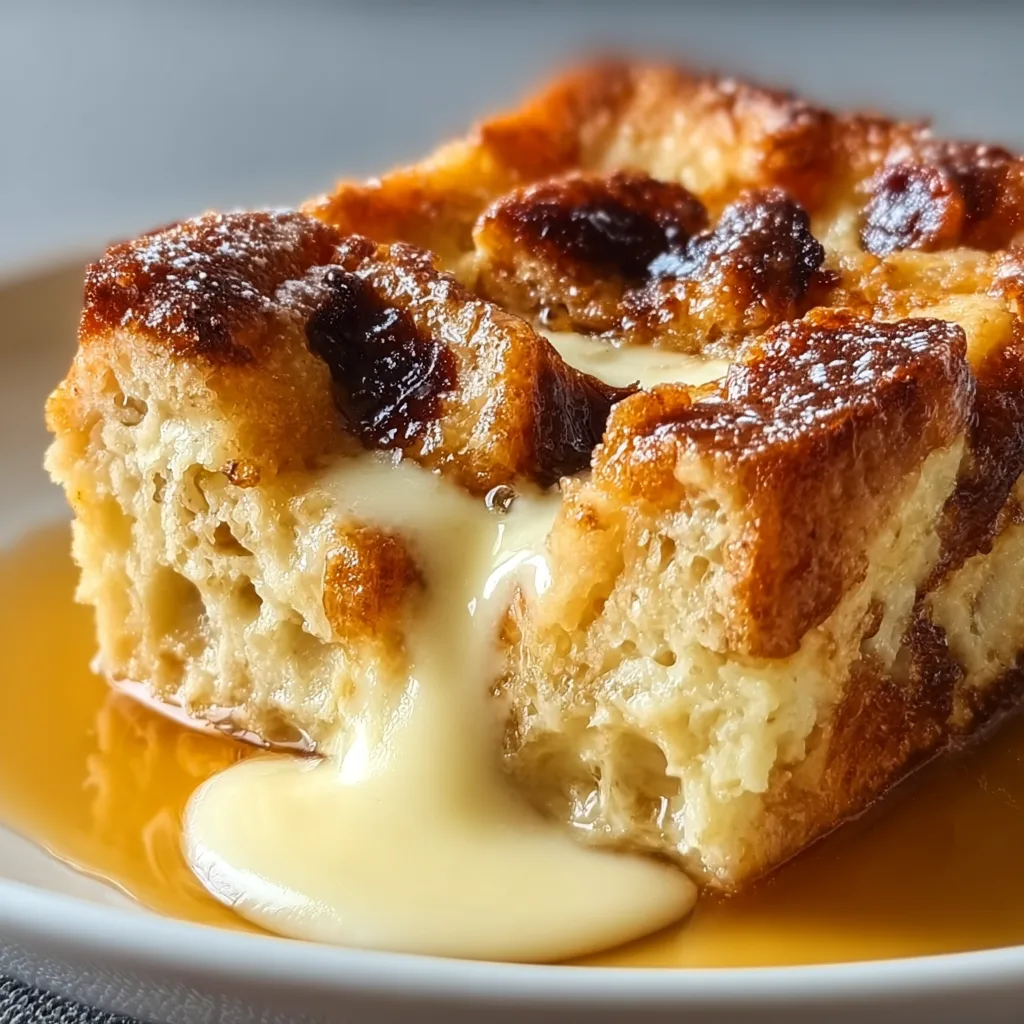
Custard bread pudding brings together the simple comfort of day-old bread with the luxurious richness of a velvety custard. Every spoonful delivers that perfect balance of creamy indulgence and familiar warmth that makes dessert feel like a hug. I discovered this recipe during a rainy weekend at my grandmother’s house, where we transformed forgotten bread into something magical. The kitchen filled with vanilla-scented steam as the pudding baked, creating memories as sweet as the dessert itself. Whether you’re looking for a cozy weekend treat or an impressive yet effortless dessert for guests, this custard bread pudding delivers comfort in every bite.
Recipe
Print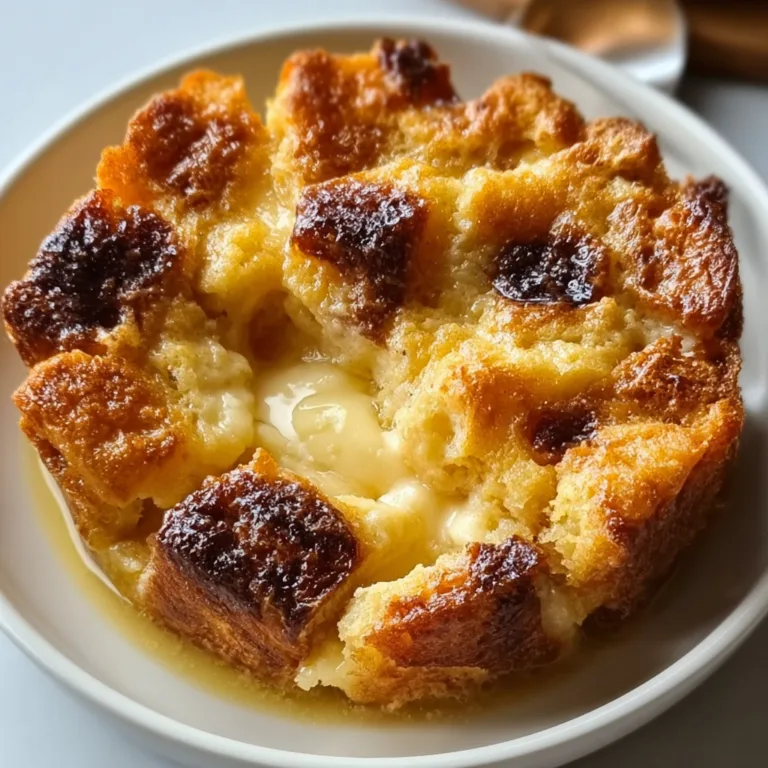
Delicious Custard Bread Pudding Recipe
This Custard Bread Pudding is a rich, creamy dessert made with soft bread cubes soaked in a smooth vanilla custard and baked until golden. Simple ingredients create a comforting homemade dessert that is perfect for holidays, brunch, or cozy evenings.
- Total Time: 1 hour
- Yield: 6 servings
Ingredients
5 cups day-old bread cubes
2 cups milk
1/2 cup heavy cream
3 large eggs
1/2 cup granulated sugar
1/4 cup brown sugar
1 teaspoon vanilla extract
1/2 teaspoon cinnamon
1/4 teaspoon salt
1 tablespoon melted butter
Optional topping:
Powdered sugar
Vanilla sauce or caramel sauce
Instructions
1. Preheat oven to 350°F (175°C) and grease a baking dish.
2. Spread bread cubes evenly in the prepared baking dish.
3. In a large bowl whisk together milk, heavy cream, eggs, granulated sugar and brown sugar.
4. Add vanilla extract, cinnamon and salt and mix well.
5. Pour the custard mixture evenly over the bread cubes.
6. Press the bread gently so it absorbs the liquid.
7. Drizzle melted butter over the top.
8. Let the mixture sit for about 10 minutes so the bread absorbs the custard.
9. Bake for 40–45 minutes until the pudding is golden and set in the center.
10. Allow the bread pudding to cool slightly before serving.
11. Dust with powdered sugar or drizzle with vanilla or caramel sauce.
Notes
Day-old bread works best because it absorbs the custard mixture better.
Brioche or challah bread gives the pudding a richer texture.
Serve warm with vanilla ice cream or whipped cream.
Store leftovers in the refrigerator for up to 3 days.
- Prep Time: 15 minutes
- Cook Time: 45 minutes
- Category: Dessert
- Method: Baking
- Cuisine: American
- Diet: Vegetarian
Why You’ll Love This Custard Bread Pudding
Perfect Balance of Textures
There’s something almost magical about the textural contrast in a well-made custard bread pudding. The exterior develops this delicate golden crust that gives way to an impossibly soft, custardy center. I love watching guests’ faces light up at that first spoonful—the way the bread soaks up the vanilla-infused custard creates these pockets of creamy goodness between slightly firmer, more structured bites. The beauty lies in its imperfection; some parts are more saturated than others, creating a landscape of textures that keeps each bite interesting. Unlike a one-note dessert, custard bread pudding rewards you with subtle variations throughout.
Versatile Base for Endless Flavors
The genius of custard bread pudding lies in its adaptability to whatever ingredients you have on hand. The basic vanilla custard creates a beautiful canvas for seasonal fruits, chocolate chips, or even a splash of bourbon. During autumn, I add diced apples and cinnamon; summer calls for fresh berries folded in just before baking. You can transform leftover croissants or brioche into something extraordinary, or keep it classic with simple white bread. I’ve even made savory versions with herbs and cheese for brunch gatherings! Each variation maintains that comforting custard base while allowing you to experiment with flavors that match your mood or the occasion.
Essential Tips & Tricks
Choosing and Preparing Your Bread
The foundation of exceptional custard bread pudding starts with the right bread and proper preparation. Slightly stale bread works best as it absorbs more custard without disintegrating. I leave mine out overnight, uncovered, or toast fresh bread lightly in a low oven to dry it out. Brioche, challah, or French bread create a richer pudding, while sandwich bread yields a softer result. Cut or tear your bread into uniform pieces (about 1-inch cubes) for even soaking. The drying step is non-negotiable—skip it, and you’ll end up with soggy pudding rather than that perfect custardy texture. Your bread should feel dry to the touch but not rock-hard.
Perfecting Your Custard Mixture
The custard quality determines whether your bread pudding is ordinary or extraordinary. I always warm my milk and cream before adding them to the eggs—this tempers the mixture and prevents curdling. Whisk your eggs thoroughly with sugar before slowly incorporating the warm dairy to create a silky-smooth base. Vanilla is essential, but don’t stop there—try adding orange zest, cinnamon, or a splash of bourbon for depth. Allow your bread to soak in the custard for at least 30 minutes (or overnight in the refrigerator) for maximum flavor absorption. The bread should be fully saturated but still holding its shape, not disintegrating into the liquid.
Serving Ideas & Creative Variations
Warm Accompaniments That Elevate
Nothing complements custard bread pudding like the right warm sauce drizzled over top. My personal favorite is a classic bourbon caramel that adds notes of vanilla and oak to each spoonful. A simple vanilla bean crème anglaise creates an extra layer of silky richness, while warm maple syrup infused with cinnamon offers a cozy breakfast vibe. For chocolate lovers, a ganache made with high-quality dark chocolate transforms the humble pudding into a decadent dessert worthy of any restaurant. The contrast between the warm pudding and melting sauce creates that moment of pure dessert bliss. I always serve the sauce in a small pitcher so guests can add as much or as little as they like.
Unexpected Flavor Combinations
Break free from traditional custard bread pudding with unexpected pairings that surprise and delight. Try adding cardamom and pistachios for a Middle Eastern twist, or incorporate matcha powder into your custard for a subtle earthy flavor and beautiful green hue. One of my most requested variations features chunks of cream cheese swirled throughout, creating pockets of tangy richness. Coconut milk can replace some of the dairy for a tropical version, especially delicious with mango and lime zest. For a savory brunch option, incorporate herbs, gruyère cheese, and caramelized onions into your custard base. These creative variations maintain the comforting essence of bread pudding while offering new flavor experiences.
Storage & Troubleshooting Guide
Proper Storage Techniques
Freshness preservation is key to enjoying leftover custard bread pudding. After cooling completely, cover your pudding with plastic wrap pressed directly onto the surface to prevent a skin from forming. Refrigerate for up to 3 days in an airtight container. For longer storage, portion individual servings, wrap tightly, and freeze for up to 2 months. When reheating, add a splash of milk or cream to restore moisture, then warm gently in the microwave or covered in a 300°F oven until heated through. The texture may change slightly after freezing, but the flavor remains delicious. I often make a double batch specifically to freeze individual portions for quick comfort food whenever the craving strikes.
Fixing Common Problems
Even experienced bakers encounter custard challenges occasionally. If your pudding turns out soggy, it likely means your bread wasn’t dry enough or needed more soaking time to fully absorb the custard. For a too-dry result, your bread-to-custard ratio was off—next time, increase your liquid ingredients by about 25%. Curdled custard happens when eggs cook too quickly; prevent this by tempering eggs with warm (not hot) milk and baking in a water bath. If your pudding isn’t setting properly, it probably needs more time in the oven. The center should be set but still slightly jiggly. Remember that bread pudding will continue to firm up as it cools.
Frequently Asked Questions
Can I make custard bread pudding ahead of time?
Absolutely! Prepare it up to 24 hours ahead, keeping the bread soaking in custard in the refrigerator. Bring to room temperature before baking, or add 10-15 minutes to the baking time if cooking directly from cold.
What’s the best bread for custard bread pudding?
Enriched breads like brioche, challah, or croissants make the most luxurious pudding, but any bread works. The key is using slightly stale bread that will absorb the custard without falling apart.
Can I make this recipe dairy-free?
Yes! Substitute almond, oat, or coconut milk for the dairy. Use coconut cream instead of heavy cream for richness, and choose a plant-based butter alternative for greasing your dish.
How do I know when my custard bread pudding is done baking?
The pudding should be golden brown on top with a slight jiggle in the center when gently shaken. A knife inserted in the center should come out mostly clean but still moist.
Why is my bread floating in the custard mixture?
This happens when the bread isn’t dry enough or hasn’t soaked long enough. Press bread down into the custard periodically during soaking, or place a plate on top to keep it submerged.
Final Thoughts
Custard bread pudding represents everything I love about home cooking—transforming simple ingredients into something greater than the sum of their parts. There’s a certain magic in watching stale bread soak up sweet custard and emerge from the oven golden and fragrant. Each time I make it, I’m reminded that the best recipes aren’t always about precision or fancy techniques, but about understanding the essence of ingredients and how they transform. Whether you’re making it exactly as written or adding your own creative twist, this custard bread pudding recipe invites you to slow down and savor both the process and the delicious results. Find more cozy comfort food inspirations on my Pinterest board.