

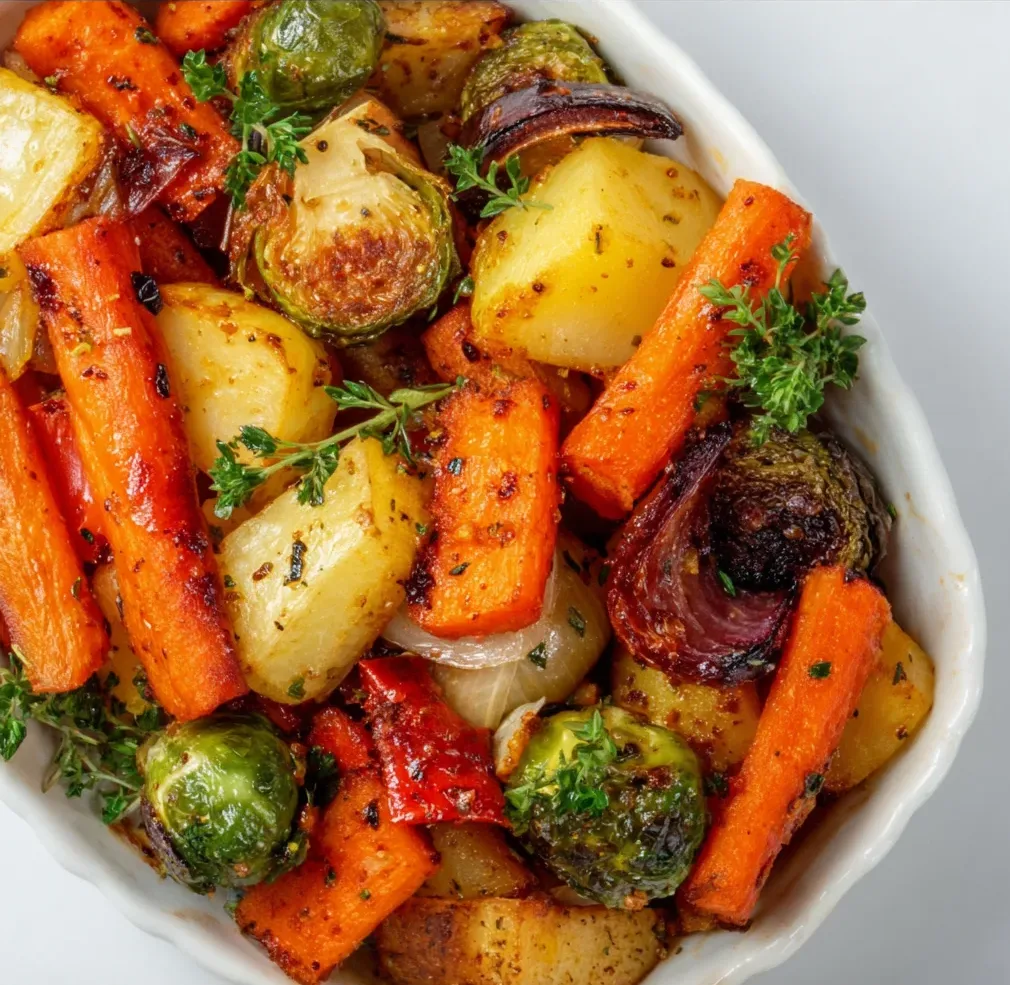
Roasting vegetables to perfection transforms ordinary produce into caramelized, flavor-packed delights that can elevate any meal. There’s something magical about the way high heat brings out natural sweetness while creating those irresistibly crispy edges. I discovered my love for roasted veggies during my first apartment days when my tiny kitchen forced me to get creative with limited cooking methods. Now, it’s my go-to technique for making even the most humble carrots and Brussels sprouts sing with flavor. Let me share my tried-and-true methods for roasting vegetables that will have everyone reaching for seconds.
Recipe
Print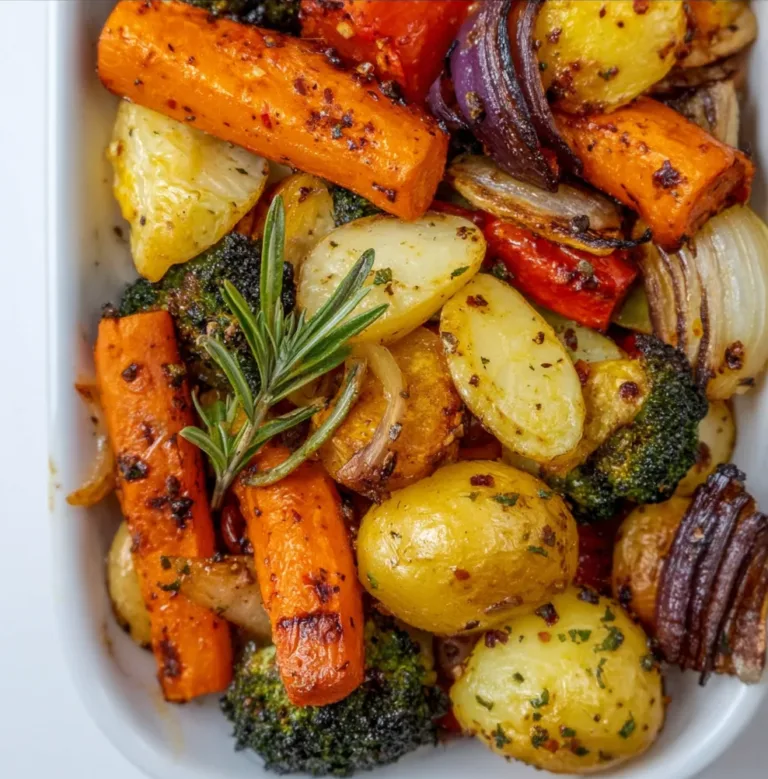
How to Roast Vegetables to Perfection
Learn how to roast vegetables to golden, caramelized perfection! These easy tips guarantee crispy edges and deep flavor every time. Customize with your favorite veggies, seasonings, and oils—perfect as a side dish or meal prep staple.
- Total Time: 45
- Yield: 4 servings
Ingredients
6 cups mixed vegetables (e.g., carrots, broccoli, cauliflower, bell peppers, zucchini, sweet potatoes)
2–3 tablespoons olive oil
1 teaspoon kosher salt
1/2 teaspoon black pepper
1 teaspoon garlic powder or Italian seasoning (optional)
Fresh herbs, lemon juice, or balsamic vinegar (for finishing)
Instructions
1. Preheat oven to 425°F (220°C). Line a baking sheet with parchment or foil.
2. Cut vegetables into similar-sized pieces for even cooking.
3. Pat veggies dry to remove excess moisture (especially frozen ones).
4. In a large bowl, toss vegetables with olive oil, salt, pepper, and any optional seasonings.
5. Spread in a single layer on the baking sheet without overcrowding. Use two sheets if needed.
6. Roast for 20–30 minutes, flipping halfway through, until edges are browned and veggies are fork-tender.
7. Optional: Finish with fresh herbs, lemon juice, or balsamic drizzle before serving.
8. Serve hot or at room temp as a side or mix into bowls, pasta, or salads.
Notes
• Use high heat (425°F+) to encourage browning.
• Avoid over-oiling—just enough to coat.
• Group veggies by cook time (root veggies need longer than tender ones).
• Try combos like sweet potato + red onion or cauliflower + turmeric!
- Prep Time: 15
- Cook Time: 30
- Category: Side Dish
- Method: Roasted
- Cuisine: American
- Diet: Vegan
Why You’ll Love This Roast Vegetables to Perfection
Simplicity Meets Maximum Flavor
The beauty of roasting vegetables lies in its incredible simplicity paired with outsized results. With just a sheet pan, some olive oil, and salt, you can create restaurant-worthy sides that taste like you spent hours in the kitchen. I love how the dry heat concentrates flavors while caramelizing natural sugars. Last Sunday, I tossed some forgotten carrots, parsnips, and onions with olive oil and herbs, and my husband couldn’t stop raving about them! The best part? While they roast, your kitchen fills with an intoxicating aroma that builds anticipation for the meal ahead. It’s nearly impossible to mess up, making this technique perfect for beginners and seasoned cooks alike.
Versatility for Every Season
One of my favorite aspects of roasted vegetables is how they adapt to whatever produce is in season. Spring brings tender asparagus and baby potatoes that roast to perfection in minutes. Summer’s zucchini, bell peppers, and cherry tomatoes become intensely flavorful with just 20 minutes in a hot oven. Fall and winter root vegetables like butternut squash, Brussels sprouts, and sweet potatoes transform into caramelized jewels that warm you from the inside out. I’ve found that roasting is also the perfect technique for breathing new life into vegetables that might be slightly past their prime. Those slightly soft bell peppers or wrinkled mushrooms? Roast them, and no one will ever know they weren’t perfectly fresh!
Essential Tips & Tricks
The Perfect Cut Matters
How you cut your vegetables dramatically affects your roasting success. I’ve learned (through many trials and errors!) that uniform sizing is crucial for even cooking. Aim for pieces that are similar in size so everything finishes cooking at the same time. Dense vegetables like carrots, potatoes, and beets should be cut smaller than quick-cooking ones like zucchini or mushrooms. For root vegetables, I love cutting them on the diagonal to create more surface area for caramelization. Remember that vegetables shrink while roasting, so cut pieces slightly larger than your desired final size. I also recommend avoiding pieces smaller than 1-inch, as they tend to burn before developing that perfect roasted flavor.
Temperature and Timing Secrets
After years of roasting vegetables, I’ve found that high heat is your best friend for achieving that perfect caramelization without mushiness. My sweet spot is 425°F (220°C) for most vegetables. This high temperature quickly drives out moisture, allowing caramelization to begin before vegetables become soggy. Timing varies by vegetable density: tender vegetables like asparagus, bell peppers, and zucchini need only 10-15 minutes, while dense root vegetables require 30-45 minutes. The garlic butter steak with parmesan cream sauce pairs beautifully with roasted vegetables finished with herbs. For perfect results, flip vegetables halfway through cooking and look for golden-brown edges with tender centers as your signal that they’re done.
Serving Ideas & Creative Variations
Beyond Basic Salt and Pepper
While perfectly roasted vegetables need little embellishment, experimenting with flavor profiles takes them to new heights. I love tossing vegetables in spice blends before roasting: try za’atar with eggplant, smoked paprika with cauliflower, or Italian herbs with zucchini and tomatoes. Post-roasting additions make a huge difference too! Drizzle with balsamic glaze, sprinkle with fresh herbs, or add a squeeze of lemon juice to brighten flavors. For special occasions, I finish with toasted nuts, crumbled cheese, or pomegranate seeds for texture and visual appeal. These roasted vegetables make a stunning side for slow cooker beef stroganoff with tender egg noodles, creating a complete meal that satisfies everyone at the table.
From Side Dish to Main Event
Roasted vegetables deserve to be more than just supporting characters! Transform them into satisfying mains with a few simple additions. My favorite weeknight dinner starts with a sheet pan of mixed roasted vegetables topped with a fried egg – the runny yolk creates an instant sauce that’s absolutely divine. For heartier meals, toss roasted vegetables with cooked grains like farro or quinoa, add a protein like chickpeas or grilled chicken, and finish with a simple vinaigrette. Roasted vegetables also make incredible pizza toppings, sandwich fillings, and salad additions. I often roast extra vegetables on Sunday to incorporate into meals throughout the week – they’re especially delicious cold in a lunch bowl with hummus!
Storage & Troubleshooting Guide
Keeping Roasted Vegetables Fresh
Properly stored roasted vegetables maintain their delicious flavor for several days, making them perfect for meal prep. Allow vegetables to cool completely before transferring to airtight containers – this prevents condensation that can make them soggy. Refrigerate for up to 4 days. For best results when reheating, avoid the microwave which can make vegetables mushy. Instead, spread them on a sheet pan and warm in a 350°F oven for 5-10 minutes until heated through. Some vegetables, like bell peppers and zucchini, are also delicious cold in salads or grain bowls. If you’ve made a large batch, consider freezing portions for up to 3 months – they won’t maintain their crispness but work beautifully in soups, stews, and pasta sauces.
Solving Common Roasting Problems
Even experienced cooks encounter roasting challenges occasionally. If your vegetables are burning on the outside but still raw inside, your oven temperature is likely too high or pieces are cut unevenly. Try reducing heat by 25 degrees or cutting denser vegetables smaller. For vegetables that turn out soggy instead of caramelized, the culprit is usually overcrowding. Vegetables release moisture as they cook, and if packed too tightly, they steam instead of roast. Always use a large enough pan to keep vegetables in a single layer with space between pieces. Another common issue is sticking – make sure to use enough oil and preheat your baking sheet before adding vegetables. For stubborn sticking, try lining your pan with parchment paper.
Frequently Asked Questions
How do I roast vegetables to perfection without burning them?
Use a moderate-high temperature (400-425°F), cut vegetables uniformly, and don’t overcrowd the pan. Toss halfway through cooking and watch closely during the final minutes. Different vegetables have different cooking times, so group similar ones together.
Can I roast frozen vegetables?
Yes! Don’t thaw them first. Preheat your pan, use extra oil, and expect 5-10 minutes additional cooking time. Frozen vegetables won’t caramelize quite as well as fresh but still taste delicious when roasted properly.
What’s the best oil for roasting vegetables to perfection?
Olive oil is my go-to for its flavor, but any high smoke-point oil works well. Avocado oil is excellent for very high temperatures. For additional flavor, try coconut oil with sweet potatoes or sesame oil with Asian-inspired vegetables.
How do I prevent vegetables from sticking to the pan?
Preheat your baking sheet before adding oiled vegetables, use enough oil (about 1-2 tablespoons per pound), and line the pan with parchment paper or a silicone mat if sticking persists.
Should I salt vegetables before or after roasting?
Salt before roasting to draw out moisture and enhance caramelization. Add delicate herbs and garlic after roasting to prevent burning, but hardier herbs like rosemary and thyme can go in from the start.
Final Thoughts
Mastering how to roast vegetables to perfection is less about following strict rules and more about understanding the simple science behind caramelization. Once you grasp the basics of temperature, spacing, and timing, you’ll develop an intuition that guides you to perfectly roasted results every time. I encourage you to experiment with seasonal produce, different herb and spice combinations, and creative ways to incorporate these flavorful gems into your meals. Share your beautiful roasted vegetable creations on Pinterest to inspire others! Remember, roasting transforms even the humblest vegetables into something extraordinary – making it easier and more delicious to fill half your plate with plants.