

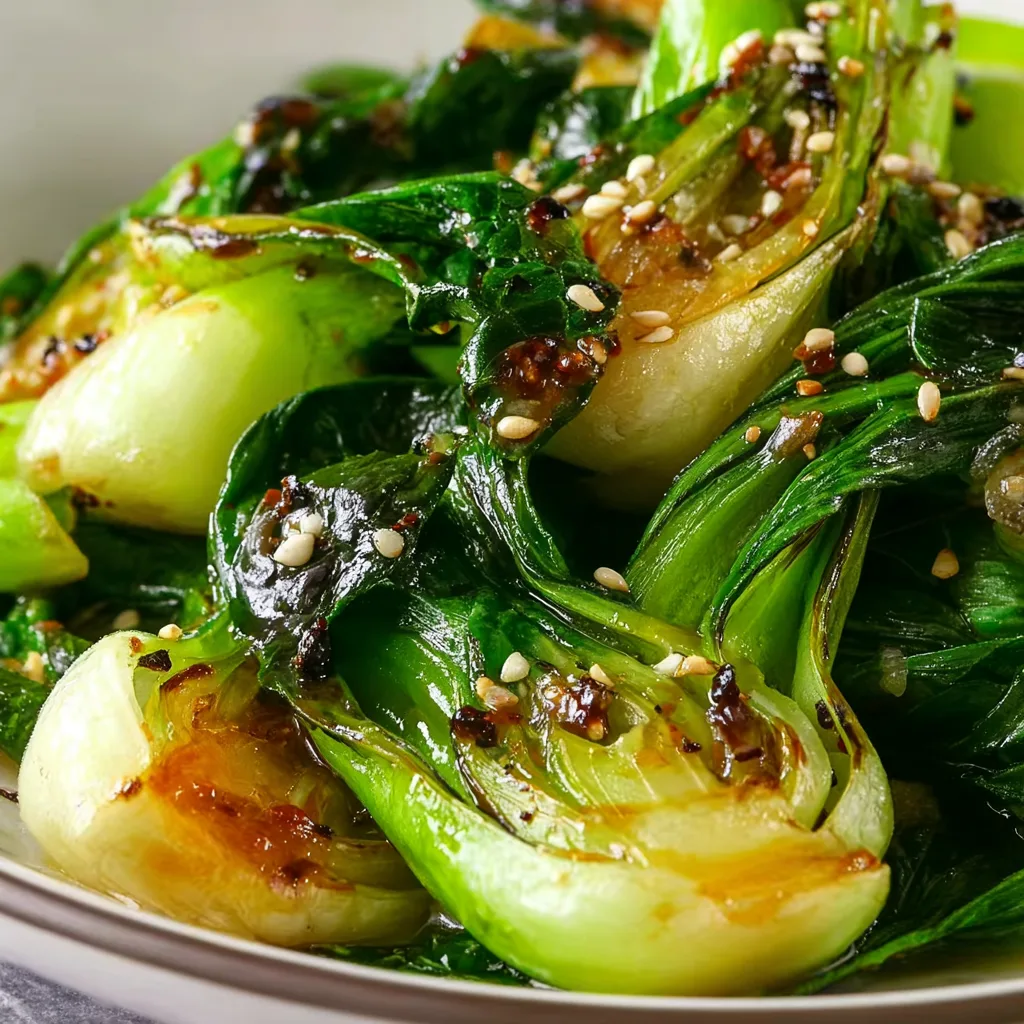
Sautéed Bok Choy is one of those simple yet magical side dishes that transforms any Asian-inspired meal into something special. The first time I made this at home, I was stunned by how a few minutes in a hot pan could turn humble greens into something so flavorful. There’s something deeply satisfying about the gentle sizzle as those crisp stalks hit the hot oil, releasing that subtle cabbage aroma that promises good things to come. If you’re looking to add more greens to your dinner rotation, this quick and easy recipe might just become your new weeknight staple.
Recipe
Print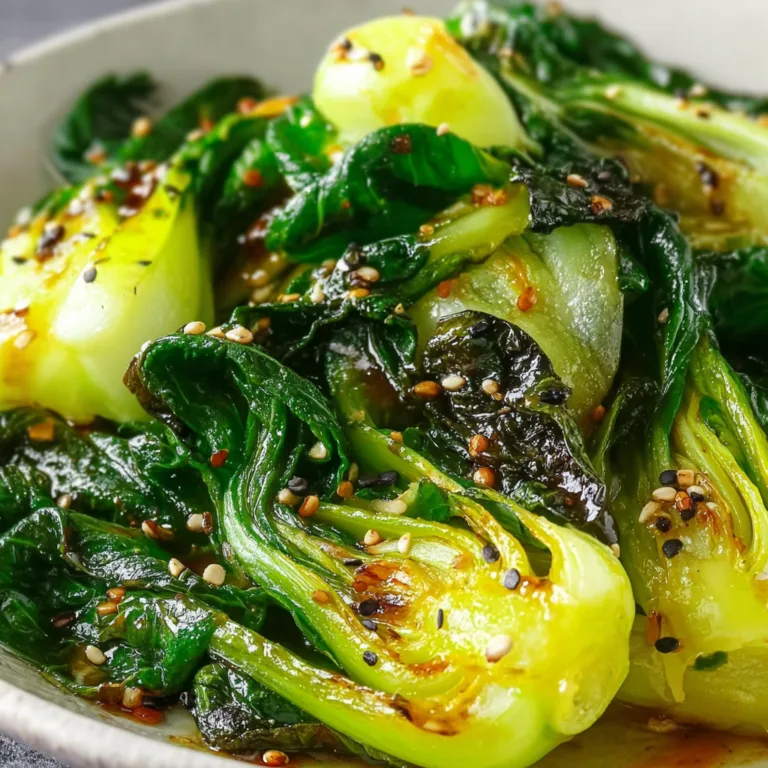
Easy and Delicious Sautéed Bok Choy Recipe
This Easy and Delicious Sautéed Bok Choy Recipe is a quick, healthy side dish made with tender-crisp bok choy, garlic, and a light savory sauce. Ready in minutes and perfect with Asian-inspired meals or simple weeknight dinners.
- Total Time: 11 minutes
- Yield: 4 servings
Ingredients
1 pound baby bok choy (or regular bok choy, chopped)
1 tablespoon sesame oil or olive oil
2 cloves garlic, minced
1 tablespoon soy sauce (low sodium)
1 teaspoon rice vinegar or lemon juice
1/4 teaspoon red pepper flakes (optional)
Salt and black pepper, to taste
**Optional Garnishes:**
Sesame seeds
Green onions, sliced
Instructions
1. Rinse bok choy thoroughly and pat dry. Slice in half lengthwise if large.
2. Heat oil in a large skillet over medium-high heat.
3. Add garlic and sauté for 30 seconds until fragrant.
4. Add bok choy cut-side down and cook 2–3 minutes until lightly browned.
5. Flip and cook another 2–3 minutes until stems are tender and leaves are wilted.
6. Drizzle with soy sauce and rice vinegar. Toss gently to coat.
7. Season with salt, pepper, and red pepper flakes if using.
8. Remove from heat, garnish if desired, and serve immediately.
Notes
For extra flavor, add a splash of oyster sauce or hoisin.
Great with stir-fries, rice bowls, salmon, or grilled chicken.
Use baby bok choy for the most tender texture.
Best served fresh, but leftovers keep up to 2 days refrigerated.
- Prep Time: 5 minutes
- Cook Time: 6 minutes
- Category: Side Dish
- Method: Sautéed
- Cuisine: Asian-Inspired
- Diet: Vegan
Why You’ll Love This Sautéed Bok Choy
A Nutritional Powerhouse with Amazing Flavor
Bok choy isn’t just delicious—it’s packed with nutrients that make it a superfood worth adding to your regular menu. Rich in vitamins A, C, and K, plus minerals like calcium and iron, this leafy green delivers serious health benefits in every bite. What I adore most is how it retains a satisfying crunch even after cooking. The stalks remain pleasantly crisp while the leaves wilt into silky tenderness. The flavor is mild yet distinctive—slightly sweet with subtle peppery notes that make it far more interesting than regular cabbage. Even my veggie-skeptical husband asks for seconds when I serve this alongside our favorite garlic butter steak.
Quick Cooking Time for Busy Weeknights
On those evenings when cooking feels like one more chore, sautéed bok choy comes to the rescue. From cutting board to table in under 10 minutes, it’s the ultimate last-minute side dish. I can’t count how many times I’ve thrown this together while my main dish rests. The beauty lies in its simplicity—just a hot pan, good oil, garlic, and a splash of soy sauce transform this vegetable completely. The quick cooking preserves both nutrients and texture, making it healthier than many longer-cooking methods. Plus, cleanup is minimal with just one pan to wash. For busy parents or anyone with a packed schedule, this recipe is a genuine lifesaver without compromising on flavor or nutrition.
Essential Tips & Tricks
Selecting and Preparing Your Bok Choy
Choosing the right bok choy makes all the difference in your final dish. Look for bright white stems and crisp, vibrant green leaves without any wilting or yellow spots. I prefer baby bok choy for its tender texture and milder flavor, but regular bok choy works beautifully too—just slice it thinner. Proper washing is crucial since sand often hides between the leaves. I slice mine first, then swish it in a bowl of cold water, letting any grit settle to the bottom. The most important prep tip I’ve learned: make sure your bok choy is completely dry before it hits the pan.
Any excess water will steam rather than sauté, robbing you of that perfect texture. A salad spinner works wonders, or pat dry with clean kitchen towels if you don’t have one.
Mastering the Perfect Sauté Technique
The secret to restaurant-quality sautéed bok choy lies in the cooking sequence and temperature control. Start with a very hot pan—I mean really hot—before adding your oil. This prevents sticking and promotes that beautiful light caramelization on the stems. Add the firmer white stems first, giving them a 1-2 minute head start before the leafy portions. This ensures everything finishes cooking at the same time. Another game-changer is not overcrowding the pan. When bok choy is packed too tightly, it steams instead of sautés, resulting in soggy vegetables. If cooking for a crowd, work in batches rather than cramming everything in at once.
Finally, resist the urge to over-stir—let those stems develop golden edges by giving them time to contact the hot pan surface.
Serving Ideas & Creative Variations
Perfect Pairings for Your Meal
Sautéed bok choy shines brightest when paired with complementary main dishes. It’s the ideal partner for pan-seared scallops or a simple grilled salmon, adding a fresh, green element that balances rich seafood perfectly. For meat lovers, serve it alongside teriyaki chicken or beef stir-fry—the mild, slightly sweet flavor of bok choy cuts through stronger savory notes beautifully. I love how it soaks up sauce without losing its character. In my home, we often enjoy it with steamed rice and a fried egg for a simple weeknight bowl.
The combination of creamy yolk, fluffy rice, and crisp-tender greens creates a satisfying texture contrast that elevates the humble ingredients. For presentation, serve on a long, narrow dish with the stems aligned for an elegant, restaurant-style appearance.
Flavor Variations to Keep Things Interesting
While the classic garlic-soy preparation is fantastic, experimenting with different flavor profiles keeps this side dish exciting week after week. Try adding a tablespoon of oyster sauce for rich umami depth, or incorporate ginger alongside the garlic for a warming, aromatic twist. A drizzle of sesame oil and a sprinkle of toasted sesame seeds just before serving adds nutty complexity. For heat lovers, red pepper flakes or a dollop of chili crisp transforms the dish entirely. My personal favorite variation includes a splash of rice vinegar and a teaspoon of honey for a sweet-tangy balance that makes the flavors pop.
You can also add other quick-cooking vegetables like sliced mushrooms or red bell peppers for color contrast and nutritional variety. Each variation creates an entirely new experience while maintaining the quick cooking time.
Storage & Troubleshooting Guide
Storing and Reheating Leftovers
While sautéed bok choy is best enjoyed immediately, leftovers can be stored and enjoyed later with a few precautions. Transfer cooled leftovers to an airtight container and refrigerate for up to three days. The texture will soften somewhat, but the flavor often deepens as it sits. When reheating, a quick 30-second microwave burst is sufficient—any longer and you risk creating sad, mushy greens. Alternatively, a flash reheat in a hot skillet revives some of the original texture. I sometimes deliberately make extra to toss into fried rice or noodle soup the next day. Cold leftover bok choy can also be chopped and added to salads for a unique twist.
If you’re meal prepping, consider under-cooking the bok choy slightly so it maintains better texture after reheating.
Solving Common Cooking Challenges
Even this simple dish can present a few challenges. If your bok choy turns out watery, the culprit is usually insufficient drying before cooking or overcrowding the pan. Solution: work in batches and ensure thoroughly dried vegetables. Bitterness sometimes occurs with older bok choy or overcooking. Combat this by selecting fresh specimens and keeping cooking time brief. For stems that remain too tough while leaves become overcooked, try blanching the stems briefly before sautéing the entire vegetable together.
If your dish lacks flavor despite seasoning, try adding a splash of chicken or vegetable broth to the pan, allowing it to reduce and concentrate. And for those struggling with garlic burning before the bok choy cooks, add the garlic halfway through cooking rather than at the beginning.
Frequently Asked Questions
Is baby bok choy the same as regular bok choy?
Baby bok choy is smaller and more tender with a milder flavor. Regular bok choy is larger with thicker stems and slightly stronger flavor. Both work in this recipe, but cooking times may vary slightly.
Can I prepare sautéed bok choy ahead of time?
For best texture and flavor, sautéed bok choy should be prepared just before serving. If necessary, you can wash and cut it up to 24 hours ahead and store in the refrigerator.
What’s the best oil for sautéing bok choy?
Oils with high smoke points like avocado, grapeseed, or peanut oil work best. For authentic Asian flavor, use a neutral oil with a splash of sesame oil added at the end.
How do I know when my sautéed bok choy is perfectly done?
Perfect sautéed bok choy has bright green leaves that are just wilted and stems that are tender-crisp when pierced with a fork. This typically takes 3-5 minutes total cooking time.
Why is my sautéed bok choy bitter?
Bitterness usually indicates overcooking or using older bok choy. Keep cooking time brief and choose fresh specimens with firm white stems and vibrant green leaves.
Final Thoughts
Sautéed bok choy deserves a place in your regular recipe rotation for its remarkable balance of simplicity, nutrition, and flavor. What I love most about this dish is how it transforms an ordinary meal into something special with minimal effort. The vibrant green color brightens any plate, while the tender-crisp texture provides a satisfying counterpoint to softer foods. Whether you’re just beginning your culinary adventures or you’re a seasoned home chef, this versatile side dish adapts to countless flavor profiles while keeping preparation straightforward. Find more inspiring ways to enjoy vegetables on my Pinterest board where I share weekly meal ideas!