

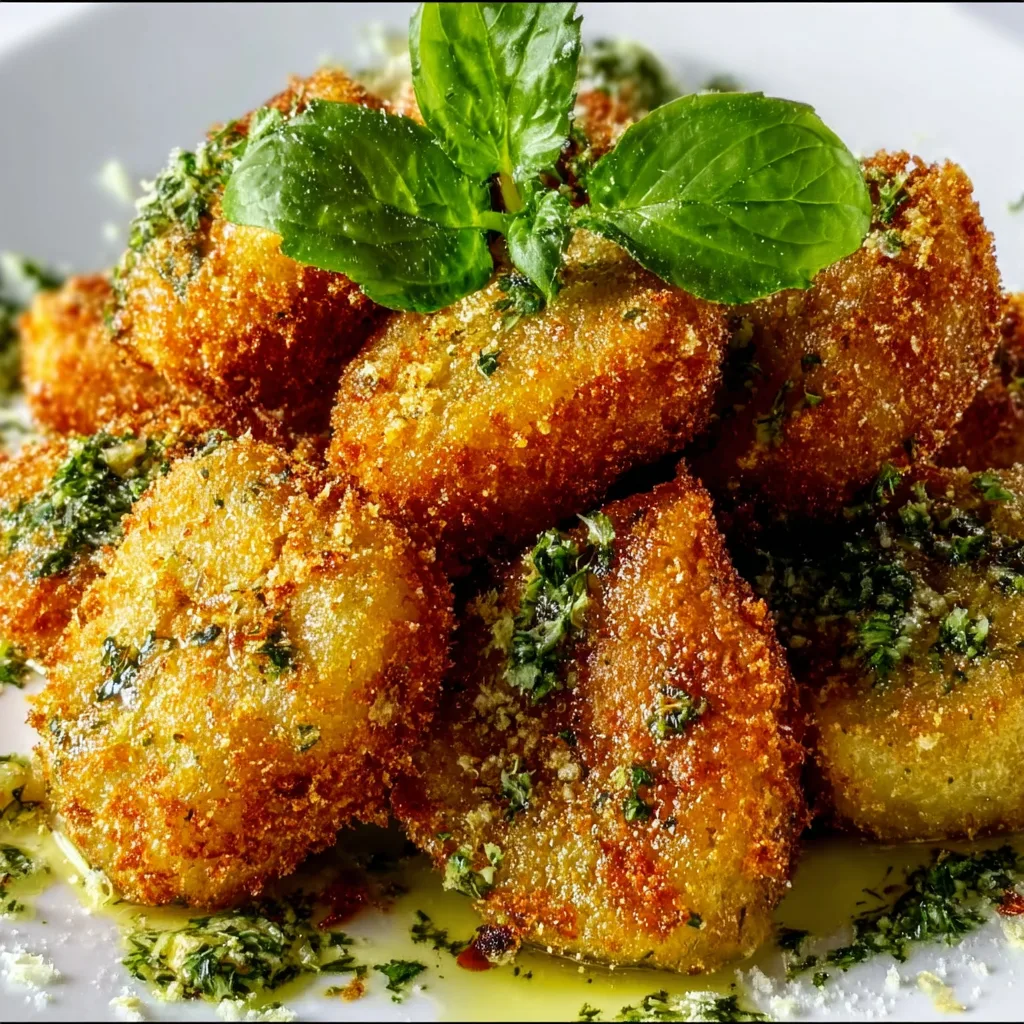
Fried Falafel with Zesty Herb Infusion has been my kitchen salvation on countless busy weeknights. There’s something magical about that first bite—crispy exterior giving way to a fragrant, herb-packed interior that practically transports you to a Mediterranean street market. I discovered this recipe during my post-college years when I was desperately trying to recreate the flavors from my favorite food truck. Now it’s become my go-to crowd-pleaser that even my pickiest friends request by name. The secret? A bold herb infusion that elevates these humble chickpea patties into something truly extraordinary. Let me show you how to make falafel that rivals any restaurant version.
Recipe
Print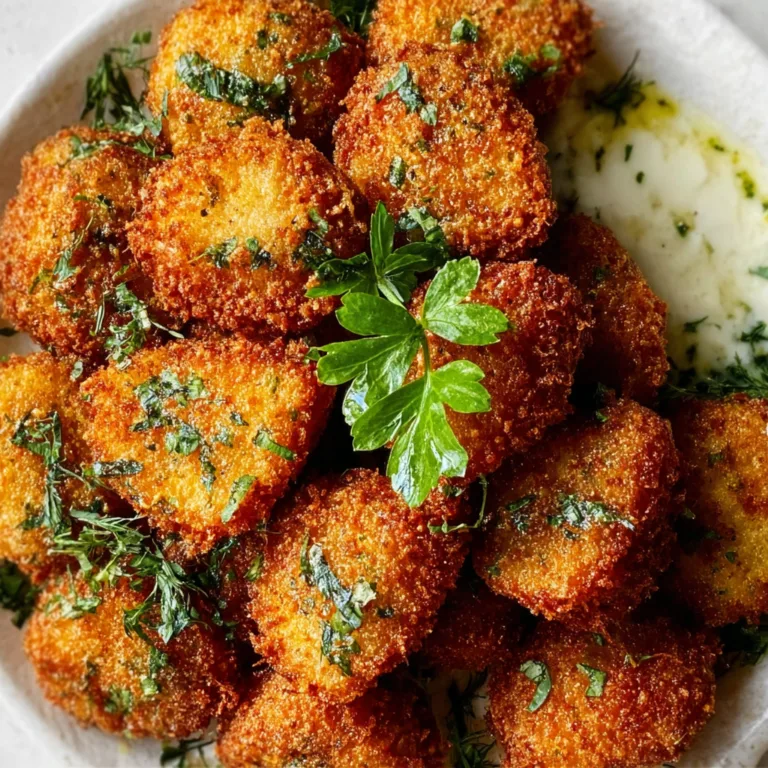
Crispy Fried Falafel with Zesty Herb Infusion
These Crispy Fried Falafel are bursting with zesty herbs, garlic, and bold Middle Eastern flavor! Made with soaked chickpeas and fresh parsley, these golden bites are crunchy on the outside, fluffy on the inside, and perfect for wraps, bowls, or snacking.
- Total Time: 35
- Yield: 20 falafel
Ingredients
1 cup dried chickpeas (do not use canned)
1/2 small onion, chopped
4 cloves garlic
1 cup fresh parsley leaves
1/2 cup fresh cilantro (or more parsley)
1 teaspoon ground cumin
1 teaspoon ground coriander
1/2 teaspoon baking powder
1/2 teaspoon salt
1/4 teaspoon black pepper
2–3 tablespoons all-purpose flour (as needed)
Oil for frying
Optional: sesame seeds for coating
Instructions
1. Place dried chickpeas in a bowl, cover with cold water, and soak overnight (at least 12 hours).
2. Drain and rinse chickpeas. Add to a food processor with onion, garlic, parsley, cilantro, cumin, coriander, baking powder, salt, and pepper.
3. Pulse until finely ground but not pureed—mixture should hold together when squeezed.
4. Add flour 1 tablespoon at a time until mixture binds well.
5. Chill mixture for 30 minutes to firm up.
6. Form into small balls or patties (about 1.5 inches). Optional: roll lightly in sesame seeds.
7. Heat oil (2–3 inches deep) to 350°F (175°C).
8. Fry falafel in batches for 3–4 minutes per side, or until deep golden brown and crisp.
9. Drain on paper towels and serve hot with tahini sauce, pita, or salad.
Notes
• Never use canned chickpeas—they’re too soft and won’t fry properly.
• For baked or air-fried falafel, lightly brush with oil and cook until crisp.
• Add a pinch of chili flakes for a spicy kick.
- Prep Time: 20
- Cook Time: 15
- Category: Appetizer
- Method: Fried
- Cuisine: Middle Eastern
- Diet: Vegan
Why You’ll Love This Fried Falafel with Zesty Herb Infusion
Perfect Texture Combination
The contrast between the golden-brown crust and tender interior is what makes these falafels irresistible. I’ve tested countless methods, and frying delivers that authentic crunch you simply can’t achieve any other way. The chickpeas need to be soaked overnight (never canned!) to maintain their structure and prevent the dreaded mushy center. When you bite through that crispy shell into the aromatic, herb-flecked interior, you’ll understand why I’m so passionate about proper falafel technique. The slight resistance followed by that perfect yield is a textural masterpiece worth mastering.
Herb-Forward Flavor Profile
The herb infusion is where the real magic happens. I use a generous combination of fresh parsley, cilantro, and mint that perfumes the entire kitchen as you blend them. The zesty herb mixture doesn’t just add color—it creates layers of bright, complex flavors that make these falafels sing. I learned from my Lebanese neighbor to add a surprising pinch of cardamom alongside the traditional cumin and coriander. This unexpected addition creates a subtle warmth that complements the fresh herbs perfectly. Each bite offers a different note, making these falafels anything but one-dimensional.
Essential Tips & Tricks
Mastering the Mixture
Getting the falafel mixture just right is crucial. After countless batches (and a few memorable disasters), I’ve learned that pulse control is everything when processing the ingredients. You want a coarse texture—never a smooth paste—that holds together when pressed but still shows distinct bits of herbs and chickpeas. I recommend chilling the mixture for at least 30 minutes before forming patties, as this helps everything bind properly. If your mixture feels too wet, add a tablespoon of chickpea flour at a time until it reaches that perfect scoopable consistency that holds its shape when formed into balls.
Frying Technique Perfection
The secret to perfectly fried falafel is oil temperature management. Too cool, and they’ll absorb oil and become greasy; too hot, and they’ll brown before cooking through. I maintain my oil at exactly 350°F (175°C) using a thermometer, and I never crowd the pan—each falafel needs space to dance in the oil. A spider strainer has been my best investment for achieving that perfect golden exterior. For a lighter version that still satisfies, check out my Garlic Butter Steak with Parmesan Cream Sauce for another protein-packed option that uses similar herb infusion techniques.
Serving Ideas & Creative Variations
Traditional and Modern Presentations
I serve these crispy gems in multiple ways depending on the occasion. For casual gatherings, I create a build-your-own falafel bar with warm pita, sliced vegetables, and an array of sauces—tahini, garlic yogurt, and spicy harissa are must-haves. For elegant dinners, I arrange them over a swoop of hummus with pomegranate seeds and microgreens. My latest obsession is serving mini falafel as appetizers with toothpicks and individual sauce cups. The versatility of these herb-infused bites means they work equally well as a satisfying main course or as sophisticated finger food.
Flavor Adaptations Worth Trying
While the classic herb blend is perfection, I’ve created several variations that are equally delightful. My seasonal adaptations include a summer version with lemon zest and dill, and a fall variation with roasted garlic and sage. For heat lovers, I add serrano peppers to the herb mixture—the spice balances beautifully with the cooling tahini sauce. For a fusion twist that never fails to impress, try adding preserved lemon and za’atar to the herb blend. For another Mediterranean-inspired dish with complementary flavors, my Greek Meatballs in Lemon Sauce pairs wonderfully with these falafels for a complete feast.
Storage & Troubleshooting Guide
Making Ahead and Preserving
Falafel mixture can be prepared up to 48 hours in advance and kept refrigerated in an airtight container. This actually improves the flavor as the herbs infuse more deeply into the chickpeas. For longer storage, I form the mixture into balls and freeze them uncooked on a baking sheet before transferring to a freezer bag. They’ll keep for up to three months this way. When ready to use, simply thaw in the refrigerator overnight and fry as directed. The cooked falafel stay crispy for about 20 minutes, so time your frying carefully if serving a crowd.
Solving Common Falafel Problems
If your falafels are falling apart during frying, the mixture is likely too wet or the oil isn’t hot enough. Add more binding agents like chickpea flour and ensure your oil temperature stays consistent. For falafels that are browning too quickly but remaining raw inside, your oil is too hot—lower the heat and make your patties slightly thinner. If they’re turning out dense rather than light and fluffy, you’ve likely over-processed the mixture. Remember to pulse, not purée, and always use soaked dried chickpeas rather than canned. The texture difference is dramatic and worth the extra planning.
Frequently Asked Questions
Can I bake Fried Falafel with Zesty Herb Infusion instead of frying?
Yes, you can bake at 375°F for 25-30 minutes, flipping halfway. The texture won’t be as authentic, but they’ll still be delicious with a light spray of oil before baking.
How do I know when the falafels are perfectly cooked?
They should be golden brown and crispy on the outside, about 3-4 minutes total frying time. When cut open, the interior should be tender but not doughy.
Can I use canned chickpeas instead of dried?
I don’t recommend it. Canned chickpeas contain too much moisture and create a mushy texture. Dried chickpeas soaked overnight produce the authentic texture.
What’s the best oil for frying falafel?
Vegetable or grapeseed oil works best due to their neutral flavors and high smoke points. Avoid olive oil, which can’t handle the high temperatures needed.
How can I make these falafels gluten-free?
They’re naturally gluten-free if you use chickpea flour as your binder. Just ensure your spices and other ingredients are certified gluten-free.
Final Thoughts
This Fried Falafel with Zesty Herb Infusion recipe has become more than just a meal in my kitchen—it’s a celebration of bold flavors and satisfying textures that brings people together. I’ve watched skeptical friends become falafel enthusiasts after just one bite of these herb-packed, crispy delights. The beauty lies in their simplicity and the way they showcase fresh ingredients. Whether stuffed in pita, topped on salads, or enjoyed on their own, these falafels bring a touch of Mediterranean magic to any table. Find more inspiration for your next cooking adventure on my Pinterest board.