

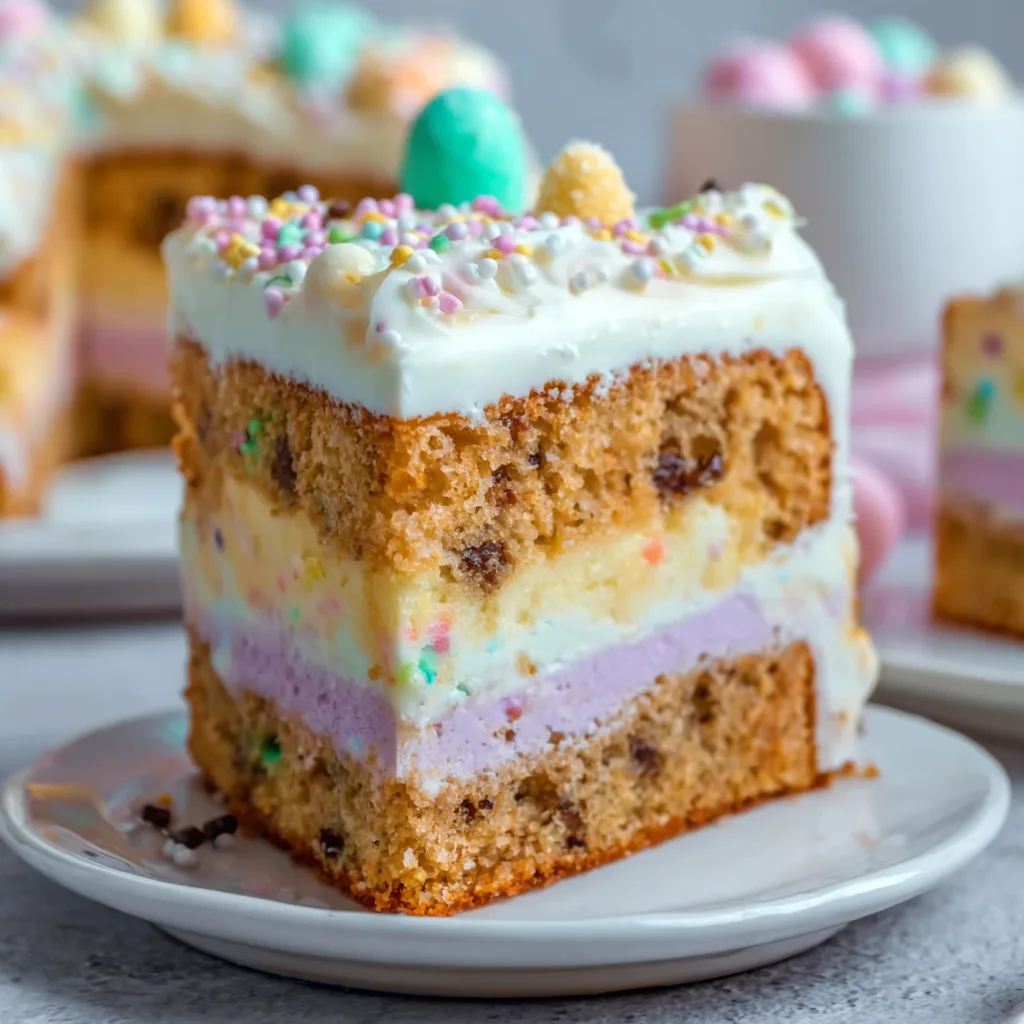
Easter cake brings pure joy to springtime celebrations with its festive charm and delicious flavors. There’s something magical about that first slice—moist layers bursting with bright citrus notes or gentle spices that perfectly capture the season’s renewal. I remember the first time I made my grandmother’s Easter cake recipe, how the kitchen filled with the aroma of vanilla and lemon as my children eagerly waited to help decorate with pastel frosting. Whether you’re continuing family traditions or starting new ones, this Easter cake recipe delivers both nostalgic comfort and fresh excitement. Like my sourdough discard cinnamon quick bread, this treat balances simplicity with impressive results that will have everyone at your table asking for seconds.
Recipe
Print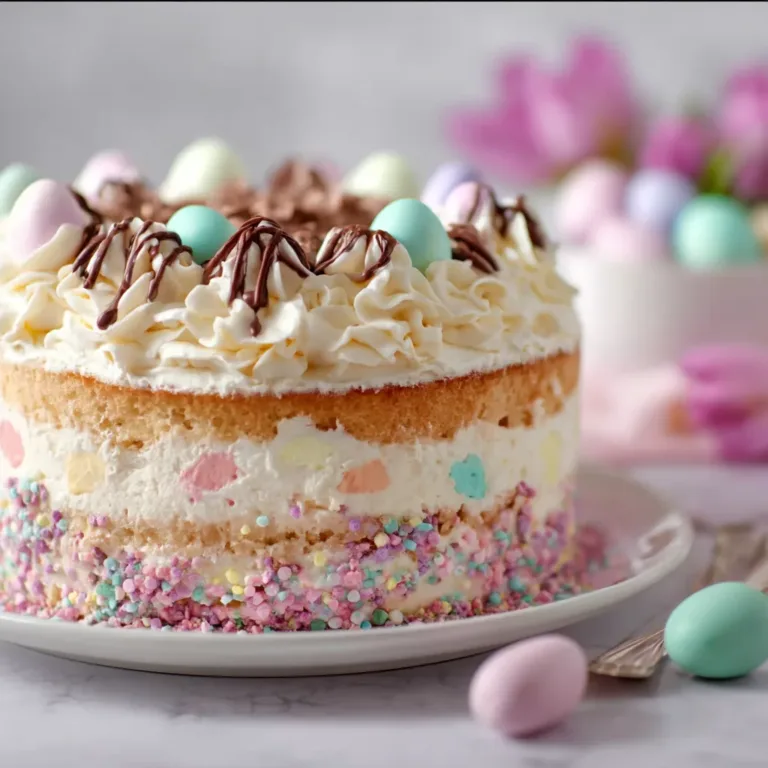
Delicious Easter Cake Recipes
These Delicious Easter Cake Recipes bring together the best festive dessert ideas for your holiday table. From fluffy cake rolls to colorful layered cakes, these easy recipes are perfect for celebrating Easter with family and friends.
- Total Time: 55 minutes
- Yield: 10 servings
Ingredients
Base Ingredients for Cakes:
2 cups all-purpose flour
1 1/2 cups sugar
1/2 cup butter
3 eggs
1 cup milk
1 teaspoon vanilla extract
1 1/2 teaspoons baking powder
For Frosting & Filling:
1/2 cup butter
2 cups powdered sugar
1 teaspoon vanilla extract
2 tablespoons milk
Decorations:
Food coloring (pastel colors)
Easter sprinkles
Mini chocolate eggs
Whipped cream
Instructions
1. Preheat oven to 180°C (350°F) and prepare your cake pans.
2. Mix butter and sugar until creamy, then add eggs and vanilla.
3. Combine dry ingredients separately, then mix with milk into the batter.
4. Pour batter into pans and bake for 25 to 35 minutes until done.
5. Let cakes cool completely before decorating.
6. Prepare frosting by mixing butter, powdered sugar, milk, and vanilla.
7. Divide frosting and color with pastel shades.
8. Decorate cakes with sprinkles, mini eggs, and creative designs.
9. Optional: create layered cakes, cake rolls, or mini cakes for variety.
Notes
Use gel food coloring for vibrant pastel tones.
Decorate just before serving for best look.
Mix different cake styles for a full dessert table.
Perfect for Easter parties and family gatherings.
- Prep Time: 20 minutes
- Cook Time: 35 minutes
- Category: Dessert
- Method: Baking
- Cuisine: American
- Diet: Vegetarian
Why You’ll Love This Easter Cake
Perfect Balance of Flavors and Texture
This Easter cake delivers a harmonious blend of delicate sweetness with subtle citrus notes that dance on your palate. The crumb is impossibly tender—moist enough to melt in your mouth but sturdy enough to hold its shape when sliced. I’ve tested countless versions to achieve this perfect balance, adjusting moisture and leavening until each bite offers that ideal texture. The hint of lemon zest brightens everything without overwhelming, while vanilla provides a warm foundation. What makes this truly special is how these flavors complement rather than compete, creating a cake that feels both sophisticated and comforting—exactly what you want for a celebratory Easter dessert that appeals to both children and adults.
Make-Ahead Convenience for Stress-Free Celebrations
I know how hectic holiday preparations can be—trying to coordinate Easter egg hunts, family gatherings, and multiple dishes simultaneously. That’s why I designed this Easter cake with practical timing in mind. You can bake the layers up to three days ahead and store them wrapped tightly at room temperature. The frosting can be prepared a day before and refrigerated. This approach transforms what could be a last-minute stress into a calm assembly process on Easter morning. I’ve learned through many holiday hosting experiences that this kind of flexibility is invaluable. You’ll appreciate having this showstopper ready to go while you focus on enjoying precious moments with loved ones instead of being stuck in the kitchen during the celebration.
Essential Tips & Tricks
Room Temperature Ingredients Make All the Difference
One non-negotiable step for achieving that perfect Easter cake texture is ensuring all refrigerated ingredients reach room temperature before mixing. This isn’t just baking perfectionism—it’s science! Cold eggs, butter, and dairy don’t incorporate properly, resulting in a denser, less even cake. I learned this lesson the hard way years ago when I rushed a holiday cake and ended with a disappointing result. Set your ingredients out about an hour before beginning. If you’re short on time, place eggs in warm (not hot) water for 5-10 minutes and cut butter into small cubes to speed up the warming process. This small step creates a noticeable difference in how your cake rises and how tender the final texture becomes.
Proper Pan Preparation Prevents Sticking
Nothing is more frustrating than a beautiful Easter cake that refuses to release from its pan. I’ve perfected a foolproof method that ensures clean removal every time. First, generously butter every inch of your pan—don’t forget the corners! Then dust with flour, tapping out excess. For extra insurance, cut parchment paper to fit the bottom of your pan and place it over the buttered surface before adding batter. This triple-protection approach has saved countless cakes in my kitchen. Like my snickerdoodle cobbler, proper preparation makes the difference between a perfect presentation and a patchwork repair job with frosting. Taking these few extra minutes upfront saves both time and disappointment later.
Serving Ideas & Creative Variations
Seasonal Decorations That Wow
Transform your Easter cake from delicious to absolutely memorable with seasonal decorations that capture spring’s essence. Create a simple nest on top using tinted coconut flakes (green food coloring + shredded coconut) and fill with mini chocolate eggs or jelly beans. Alternatively, use fresh edible flowers like violets, pansies, or nasturtiums for a naturally beautiful presentation—just be sure they’re culinary-grade and pesticide-free. My family’s favorite is arranging fresh berries in a wreath pattern around the edge, with a dusting of powdered sugar “snow” that beautifully highlights the fruits’ vibrant colors. For a playful touch that children adore, add chocolate bunny figures or marzipan carrots that appear to be “planted” in the frosting garden of your Easter cake creation.
Flavor Adaptations for Every Preference
While the classic vanilla-lemon Easter cake is always a crowd-pleaser, don’t be afraid to customize flavors based on your family’s preferences. For chocolate lovers, replace a quarter cup of flour with cocoa powder and add mini chocolate chips to the batter. If you enjoy spice cakes, incorporate a teaspoon of cinnamon and a quarter teaspoon each of nutmeg and ginger for a warm, aromatic version. Almond enthusiasts might appreciate substituting almond extract for vanilla and adding toasted sliced almonds between layers. My personal favorite variation involves adding two tablespoons of poppy seeds and extra lemon zest for a bright spring flavor that pairs beautifully with afternoon tea. These simple adaptations keep your Easter tradition fresh and exciting year after year.
Storage & Troubleshooting Guide
Keeping Your Cake Fresh for Days
The beauty of this Easter cake lies not just in its flavor but in its remarkable staying power. To maintain maximum freshness, store unfrosted layers tightly wrapped in plastic at room temperature for up to three days. Once frosted, the cake keeps beautifully for up to five days when stored in an airtight container in the refrigerator. The frosting actually creates a moisture seal that helps preserve the cake’s texture. For best flavor, allow refrigerated cake to sit at room temperature for 30 minutes before serving—this awakens all those subtle flavor notes that can be muted when cold. If you need to store leftover slices, place them cut-side down on plates before covering to prevent the exposed cake from drying out.
Rescuing Common Cake Mishaps
Even experienced bakers encounter occasional challenges, but most Easter cake issues have simple on-the-spot fixes. If your cake layers dome too much, gently trim the tops with a serrated knife to create flat surfaces for stacking. Crumbly cake making frosting difficult? Apply a thin “crumb coat” of frosting first, refrigerate for 20 minutes, then add the final layer of frosting. For dry cake (perhaps from slight overbaking), brush layers with simple syrup before frosting—equal parts sugar and water, simmered until dissolved and cooled. Sunken middle? Transform it into a “nest cake” by filling the depression with frosting and decorative Easter candies. Remember, most imperfections disappear beneath frosting, and taste always matters more than perfect appearance.
Frequently Asked Questions
Can I make this Easter cake gluten-free?
Yes! Substitute a high-quality cup-for-cup gluten-free flour blend. Add ½ teaspoon xanthan gum if your blend doesn’t include it, and increase moisture with 2 extra tablespoons of sour cream for best texture.
How far in advance can I make this Easter cake?
You can bake the layers up to 3 days ahead and freeze them for up to 1 month. Frost the day before or morning of serving for optimal freshness.
What’s the secret to perfectly moist Easter cake?
Don’t overmix the batter once flour is added (this develops gluten), don’t overbake (test 5 minutes before recipe time), and use ingredients at room temperature for proper emulsion.
Can I use different shaped pans for this Easter cake?
Absolutely! Adjust baking times accordingly—bundt pans need about 45-50 minutes, cupcakes 18-22 minutes, and sheet cakes 25-30 minutes at the same temperature.
What frosting works best for decorating an Easter cake?
Swiss meringue buttercream holds decorative details beautifully and isn’t too sweet. For simpler options, cream cheese frosting or whipped ganache complement the cake flavors wonderfully.
Final Thoughts
This Easter cake recipe has become the centerpiece of my family’s spring celebrations, evolving slightly each year while maintaining its core charm. What makes it special isn’t just the delicious flavor or beautiful presentation—it’s how it brings everyone together around the table, creating moments of joy and connection. I hope this recipe finds a place in your own Easter traditions, perhaps becoming the dessert your loved ones look forward to year after year. Whether you follow it exactly or add your personal touch, remember that the best Easter cakes are made with care and shared with love. For more seasonal inspiration, visit my collection on Pinterest where I’m always adding fresh ideas for holiday baking.