

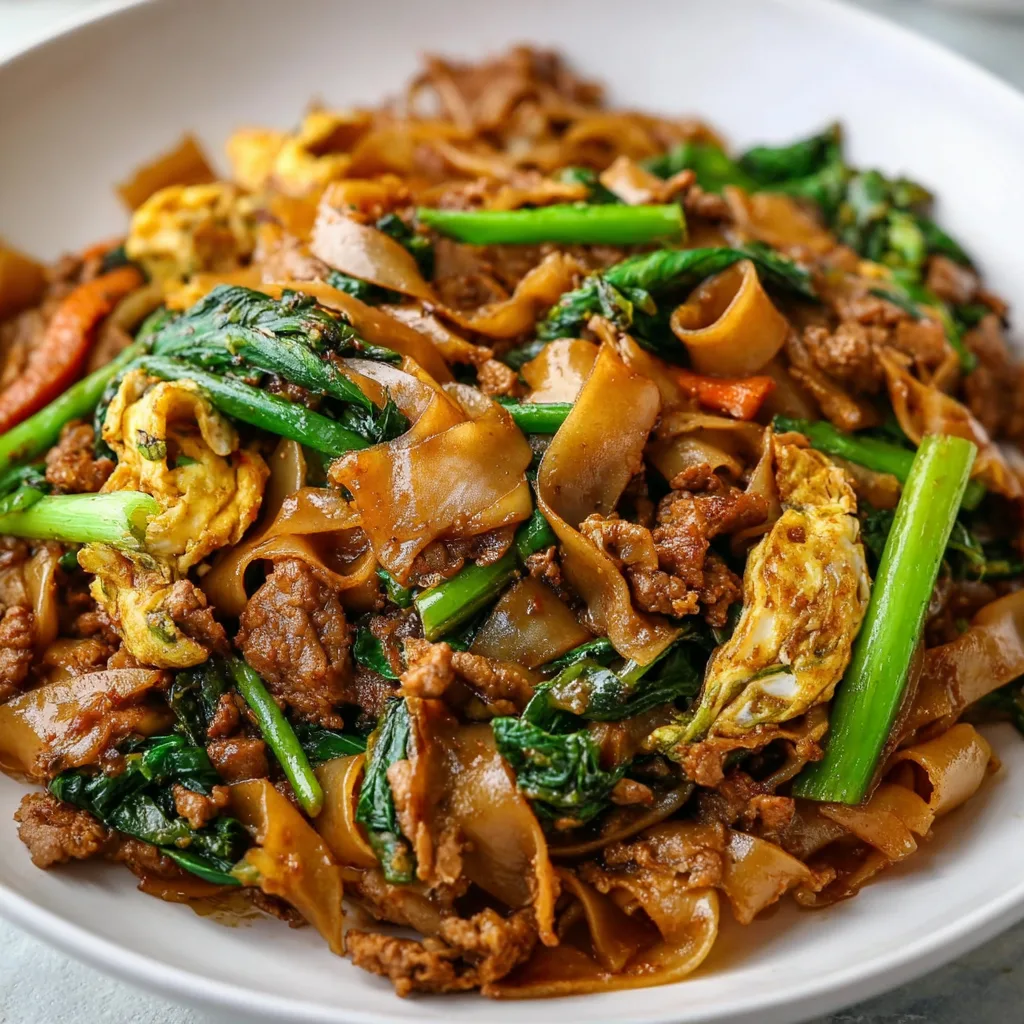
Thai Stir-Fried Noodles are my absolute weakness when the dinner hour strikes and I’m craving something with a perfect balance of savory, sweet, and tangy flavors. There’s something magical about watching those noodles soak up that glossy sauce while the aroma of garlic, ginger, and lime fills my kitchen. Every time I make this dish, I’m transported back to my first trip to Thailand, where I learned that the best noodles have that perfect wok hei – that smoky, charred essence that comes from high-heat cooking. Let me share my favorite version with you at Mug Meal Magic.
Recipe
Print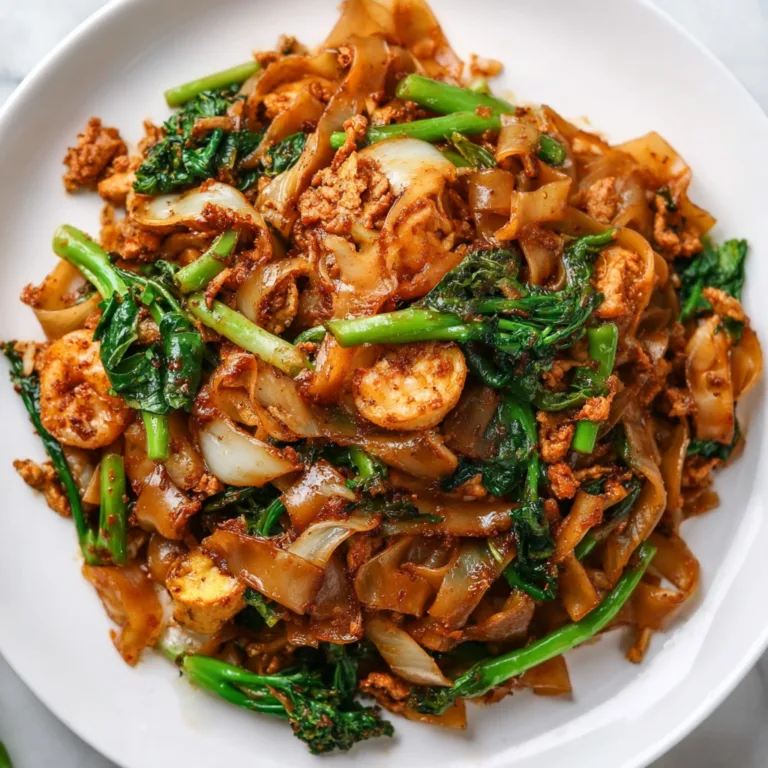
Authentic Thai Stir-Fried Noodles Recipe
This Authentic Thai Stir-Fried Noodles recipe delivers bold, tangy, and savory flavors in every bite. Made with rice noodles, shrimp, eggs, and a classic Pad Thai sauce, this easy and delicious dish brings restaurant-quality flavor to your kitchen.
- Total Time: 30 minutes
- Yield: 4 servings
Ingredients
8 ounces flat rice noodles
1 tablespoon vegetable oil
1/2 pound shrimp, peeled and deveined (or chicken)
2 cloves garlic, minced
2 eggs, lightly beaten
1 cup bean sprouts
3 green onions, sliced
1/4 cup roasted peanuts, crushed
1 lime, cut into wedges
For the Pad Thai Sauce:
3 tablespoons fish sauce
2 tablespoons tamarind paste
1 tablespoon brown sugar
1 tablespoon soy sauce
1 teaspoon chili paste (optional)
Instructions
1. Soak rice noodles in warm water for 20–30 minutes until softened. Drain well.
2. Whisk together fish sauce, tamarind paste, brown sugar, soy sauce, and chili paste in a small bowl.
3. Heat vegetable oil in a large wok or skillet over medium-high heat.
4. Add shrimp and cook for 2–3 minutes until pink and cooked through. Remove and set aside.
5. In the same pan, add garlic and cook for 30 seconds.
6. Push garlic to one side and pour beaten eggs into pan. Scramble until just set.
7. Add softened noodles to the pan.
8. Pour Pad Thai sauce over noodles and toss to coat evenly.
9. Return shrimp to the pan and stir-fry for 2–3 minutes until heated through.
10. Stir in bean sprouts and green onions.
11. Remove from heat and sprinkle with crushed peanuts.
12. Serve immediately with lime wedges on the side.
Notes
Do not overcook noodles to prevent mushy texture.
Adjust chili paste for preferred spice level.
Substitute chicken or tofu if desired.
Serve immediately for best flavor and texture.
- Prep Time: 20 minutes
- Cook Time: 10 minutes
- Category: Dinner
- Method: Stir-Fry
- Cuisine: Thai
Why You’ll Love These Thai Stir-Fried Noodles
A Quick Weeknight Wonder
These Thai Stir-Fried Noodles are the ultimate weeknight savior when you’re short on time but refuse to compromise on flavor. Ready in just 20 minutes, they’re faster than delivery and infinitely more satisfying. I’ve perfected this recipe through countless hungry evenings when I needed something substantial but couldn’t bear the thought of complicated cooking. The beauty lies in the prep-as-you-go approach – while your noodles soak, you’re chopping veggies and whisking sauce. The actual stir-frying happens in a flash, making this perfect for those nights when hunger and impatience collide.
Adaptable to Any Dietary Preference
What I adore about these noodles is how easily they transform to accommodate any dietary preference. Need it vegetarian? Swap the protein for tofu or double up on colorful veggies. Gluten-free? Rice noodles have you covered, and tamari works beautifully in place of soy sauce. Vegan friends coming over? Omit the egg and use maple syrup instead of honey in the sauce. The foundational flavors – that perfect balance of salty, sweet, sour, and spicy – remain intact no matter how you customize it. I’ve served this to picky eaters and food enthusiasts alike, always to rave reviews.
Essential Tips & Tricks
Mastering the Perfect Noodle Texture
The secret to exceptional Thai Stir-Fried Noodles lies in getting the noodle texture just right. I learned this the hard way after serving sadly mushy noodles to dinner guests years ago. Always undercook your noodles slightly when pre-soaking or boiling – they’ll continue cooking in the wok. For rice noodles, I soak them until they’re pliable but still firm in the center, about 6-8 minutes in hot water. Then I drain and rinse with cold water to stop the cooking process. This al dente preparation ensures they’ll maintain their integrity when tossed with the sauce. Remember: you can always cook noodles more, but you can’t un-cook them!
The Art of High-Heat Wok Cooking
The magic of authentic Thai Stir-Fried Noodles happens in those few minutes of high-heat wok cooking. This creates that coveted restaurant-quality flavor that’s hard to replicate at home. I preheat my wok until it’s smoking slightly before adding oil – this prevents sticking and promotes that beautiful caramelization. Work in batches if needed; overcrowding leads to steaming rather than stir-frying. Keep everything moving constantly with a spatula or tongs, tossing ingredients from the center to the sides where it’s hottest. For a delicious alternative to Asian noodles, check out my Creamy Rigatoni with Boursin Cheese for another quick dinner option.
Serving Ideas & Creative Variations
Beautiful Garnishes That Elevate
The final flourish of garnishes transforms good Thai Stir-Fried Noodles into something extraordinary. I arrange lime wedges around the edge of the serving platter – their bright acidity cuts through the richness perfectly. A shower of chopped cilantro, sliced green onions, and crushed peanuts adds color, texture, and freshness. For special occasions, I add thinly sliced red chilies and bean sprouts in separate small bowls, allowing guests to customize their heat level and crunch factor. These finishing touches aren’t just decorative – they add layers of flavor that make each bite slightly different from the last.
Regional Adaptations Worth Trying
While classic Pad Thai might be the most famous Thai noodle dish, regional variations offer exciting flavor profiles to explore. My personal favorite is a northern Thai-inspired adaptation with a touch of curry paste and coconut milk stirred into the sauce. For something different, try a Malaysian-influenced version with a tablespoon of sambal oelek for heat and a dash of dark soy for color. Or go Chinese-inspired by adding black bean sauce and extra vegetables like bok choy and mushrooms. If you enjoy exploring global flavors, you might also love my Coconut Curry Soup with Dumplings for another Asian-inspired comfort dish.
Storage & Troubleshooting Guide
Proper Storage for Leftover Noodles
Leftover Thai Stir-Fried Noodles can be just as delicious the next day with proper storage. Allow the noodles to cool completely before transferring to an airtight container – this prevents condensation that can make them soggy. They’ll keep in the refrigerator for up to 3 days, though the texture is best within the first 48 hours. When reheating, add a splash of water or broth to loosen the sauce, as the noodles tend to absorb liquid as they sit. I prefer reheating in a hot skillet rather than the microwave – just 2-3 minutes over medium-high heat revitalizes the flavors and textures without overcooking.
Troubleshooting Common Noodle Problems
Even experienced cooks encounter challenges with Thai Stir-Fried Noodles. If your noodles clump together, try rinsing them thoroughly after soaking and tossing with a teaspoon of oil before adding to the wok. For sauce that’s too thin and watery, mix a teaspoon of cornstarch with a tablespoon of cold water and stir it in – the sauce will thicken beautifully as it bubbles. If your dish lacks flavor depth, try adding a splash of fish sauce or a squeeze of lime juice at the end. And if you accidentally oversalted, balance it with a drizzle of honey or a handful of fresh herbs to counteract the saltiness.
Frequently Asked Questions
What type of noodles work best for Thai Stir-Fried Noodles?
Rice noodles are traditional and my preference. Look for medium-width rice stick noodles (about 1/4 inch wide). In a pinch, linguine or fettuccine can substitute, though the texture will differ slightly.
Can I make this dish ahead of time?
Prepare components separately up to a day ahead – chop vegetables, mix sauce, and pre-cook protein. Store separately in the refrigerator, then stir-fry with freshly soaked noodles just before serving for best results.
How do I adjust the spice level?
Control heat by adjusting the amount of chili sauce or fresh chilies. Start with half the recommended amount for mild flavor, or double it for serious spice lovers. Add chili oil at the table for customization.
What’s the best protein for this dish?
Chicken, shrimp, tofu, and thinly sliced beef all work beautifully. For vegetarian options, try crispy tofu or tempeh. The key is thinly slicing protein for quick, even cooking.
My noodles always stick together. How can I prevent this?
Rinse soaked noodles thoroughly under cold water to remove excess starch. Toss with a teaspoon of oil immediately after draining, and don’t prepare them too far in advance of cooking.
Final Thoughts
Thai Stir-Fried Noodles have earned a permanent spot in my recipe rotation because they deliver restaurant-quality satisfaction with minimal effort. The combination of chewy noodles, crisp vegetables, and that perfect sauce balance makes this dish irresistible time after time. What I love most is how this recipe encourages creativity – it’s a template that welcomes your personal touch. Whether you’re cooking for a quick weeknight dinner or impressing weekend guests, these noodles never disappoint. For more inspiration, check out my collection on Pinterest where I share my favorite Asian-inspired recipes.